
Where Science Meets Cinema: How eMediCreate Studios Is Redefining Pharma Storytelling
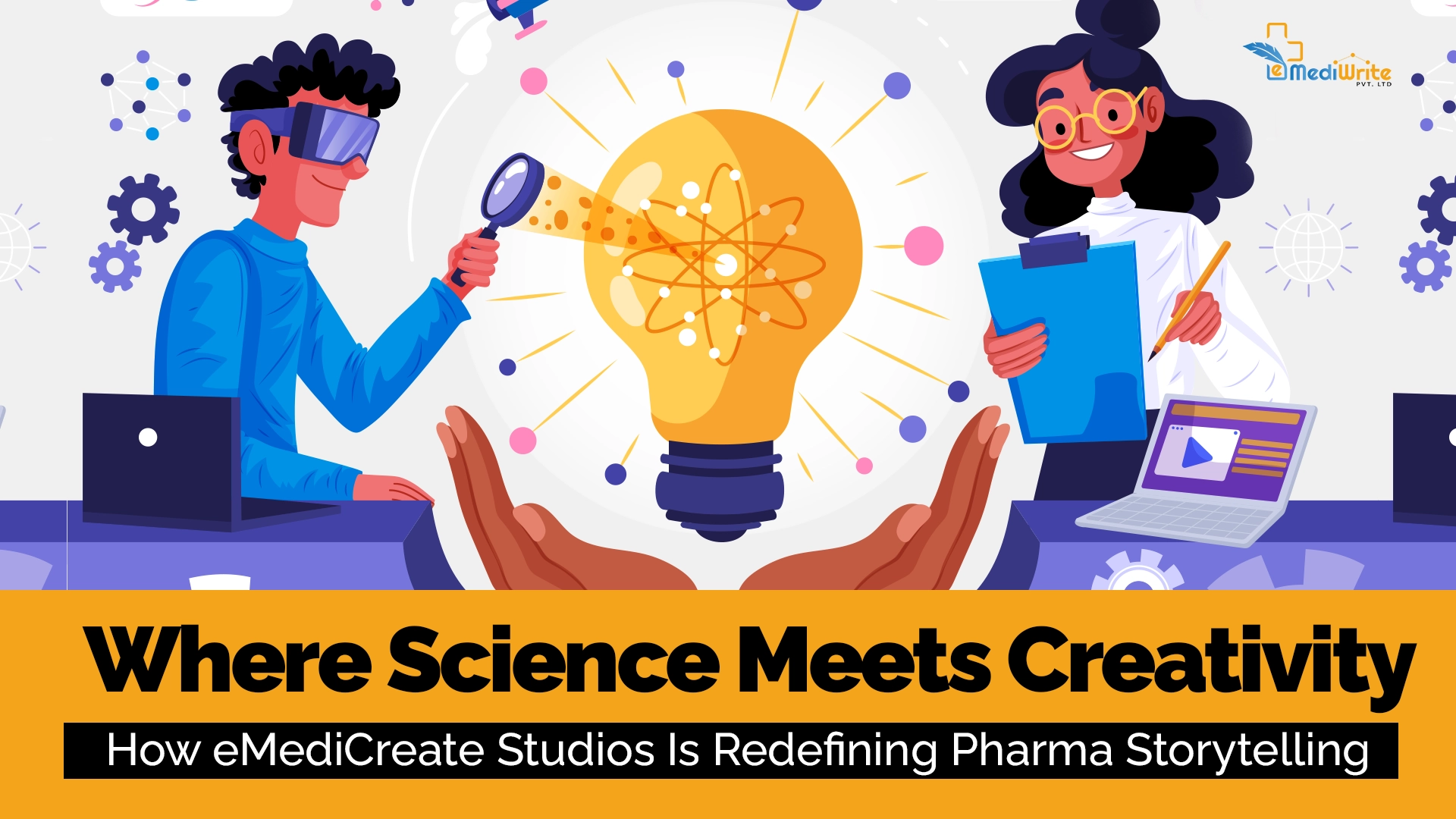
Illustration depicting the intersection of science and creativity, with two people, a lightbulb, and the text "Where Science Meets Creativity: How eMediCreate Studios Is Redefining Pharma Storytelling."

Pharma is changing. The world of medicine is changing. And today, data alone is no longer enough. In a landscape overflowing with information yet starving for clarity, brands need more than charts, studies, and sterile explanations. They need stories. They need emotion. They need connection. This is the new era of pharma storytelling, and eMediCreate Studios is leading the revolution. In the past, pharmaceutical communication focused on precision over personality. But times have shifted. Patients expect authenticity. Healthcare professionals expect simplicity. Brands expect impact. And that’s exactly where pharmaceutical storytelling breaks the old rules and builds a new standard. At the intersection of creativity and credibility, eMediCreate Studios is proving that the future of pharma belongs to those who can transform science into cinema. The Power of Story in a Scientific World Why are global pharmaceutical companies investing in storytelling in pharma marketing?Because stories are the universal language of understanding. Science informs the mindStories transform the heart. And when the two meet, you get communication that is: This is where pharmaceutical brand storytelling becomes a competitive advantage rather than a marketing accessory. In an industry governed by data, regulation, and high stakes, storytelling gives brands a human pulse. Understanding the role of content marketing in healthcare is essential for brands looking to connect deeply with their audiences. Pharma storytelling works because: It is no longer about what you makeIt’s about why it matters. eMediCreate Studios: Where Science Comes Alive Every brand has a story. But not every brand knows how to tell it.This is where eMediCreate Studios rises above the traditional expectations of pharmaceutical content. The studio doesn’t just create videos or animations it creates experiences. It takes molecules, mechanisms, data points, and clinical science, and turns them into powerful narratives that stay with the viewer long after the screen fades. 1. Science-first, Story-driven Every project at eMediCreate begins with one question:What is the core truth behind this science? From that truth, a cinematic narrative unfolds — one that blends data with emotion, visuals with accuracy, and innovation with humanity. This approach aligns perfectly with how to communicate medical insights effectively, ensuring complex science reaches diverse audiences. 2. Visual Storytelling as a Strategic Weapon The studio is redefining pharma storytelling through: These visual storytelling strategies for pharmaceutical brands turn complex science into intuitive understanding. The power of video marketing in healthcare has been proven to increase brand recognition by 139% when added to marketing activities. 3. Clarity Meets Creativity In pharma, clarity is non-negotiable.In cinema, creativity is everything.eMediCreate brings both together with precision. The result:Communication that is understood, trusted, and remembered. 4. Compliance Without Compromise Pharma is a regulated world.But regulation should never silence creativity. eMediCreate ensures every piece of content is: This commitment allows brands to redefine pharma storytelling with confidence. For deeper insights into maintaining this balance, explore 5 Strategies for Balancing Pharma Product Innovation with Regulatory Body Mandates and learn how eMediWrite helps pharma marketers navigate regulatory challenges. How Storytelling Transforms Pharma Marketing Pharma marketing has evolved, drastically. Gone are the days when a brochure or clinical explanation was enough. Today’s audiences want messages that spark curiosity, build trust, and drive insight. This is exactly how storytelling transforms pharma marketing: It simplifies the complex. Mechanisms of action, disease pathways, and therapeutic breakthroughs become digestible narratives that anyone can understand. It makes brands human. People don’t connect with products.They connect with journeys, faces, and stories. It builds trust, the strongest currency in healthcare. In a skeptical world, transparency and emotion cut through noise like nothing else. It increases engagement and retention. What people see, they remember.What they feel, they act on. And in a world flooded with scientific information, powerful pharma storytelling becomes the difference between being heard and being unforgettable. For marketers seeking to optimize their content approach, mastering content marketing for busy healthcare professionals is crucial. The Visual Evolution: Storytelling Through the Lens of Cinema The pharmaceutical world is visual. Human biology is visual. Disease progression is visual. Treatment transformation is visual. So why should communication be anything less than cinematic? eMediCreate Studios uses visual storytelling strategies for pharmaceutical brands that elevate science into an experience: Cinematic MoA Videos Turning molecular interactions into stunning visual journeys. Patient Journey Films Stories of fear, hope, resilience, and healing narratives that humanize every innovation. High-Fidelity Scientific Animation Making biological complexity intuitively clear. Brand Origin Stories Sharing a company’s mission, values, and purpose with emotional impact. Clinical Data Explainers Where numbers transform into meaning, and charts become stories. These are not just videos.They are bridges between innovation and understanding. Why Pharmaceutical Storytelling Matters More Than Ever We live in an era of: Against this backdrop, pharmaceutical storytelling becomes a shield and a strategy. It empowers brands to: This is what it means to redefine pharma storytelling for the next generation. Building strong pharma brand visibility requires a unified voice across all platforms. The eMediCreate Advantage: Turning Science into Impact eMediCreate Studios is not just a production house it is a strategic communication partner for pharma brands seeking to rise above the ordinary. What makes eMediCreate different? ✔ Cinematic craftsmanship Visuals that look like films, not corporate videos. ✔ Scientific integrity Every frame, every word, every motion checked for accuracy. ✔ Emotion-led storytelling Because science touches hearts only when the story does. ✔ Strategic communication Built not just for beauty but for purpose, insight, and brand growth. ✔ Tailored content for different audiences Patients, HCPs, investors, regulators each gets a perfectly crafted narrative. This is how pharma storytelling becomes a catalyst for trust, engagement, and brand leadership. The Future of Pharma Storytelling Is Already Here Pharma communication is undergoing its biggest transformation in decades. And those who adapt will define the future. eMediCreate Studios isn’t just keeping upIt’s shaping the new standard. A world where: Understanding what the future holds for pharma marketing in 2025 and how pharma brands are getting smarter with AI and automation will help brands stay ahead of this transformation. This is the future of pharmaceutical … Read more
Strategies That Drive Patient Engagement: The Ultimate Guide to Digital Marketing in the Healthcare Industry

Strategies That Drive Patient Engagement: The Ultimate Guide to Digital Marketing in the Healthcare Industry.

Introduction to Digital Marketing in the Healthcare Industry In today’s patient-centric era, digital marketing in the healthcare industry is no longer an option, it’s a necessity. Patients are online more than ever, actively researching symptoms, comparing hospitals, reading reviews, and engaging with medical content before choosing a provider. Healthcare organizations that embrace digital transformation can connect with patients at every stage of their journey from awareness to appointment booking through data-driven, compliant, and personalized campaigns. This guide explores the key components of healthcare digital marketing strategies, how to measure performance effectively, and the emerging technologies shaping the future of online medical marketing. Also Read This: The Untold Power of Public Relations in the Medical World Core Components of Healthcare Digital Marketing Strategies Successful digital marketing in the healthcare industry requires an integrated approach that combines visibility, trust, and engagement. Here’s how healthcare brands can build a strong digital presence. Website Experience and SEO for Healthcare Your website is the digital front door of your healthcare brand. To attract and convert patients, it must be: SEO plays a crucial role in digital marketing for hospitals by ensuring your services appear when patients search for care near them. Implementing schema markup, quality backlinks, and medically accurate content can significantly improve visibility. Also Read This: Pharma Branding Strategies 2025 Content Marketing and Patient Engagement Marketing High-quality content builds trust, educates patients, and drives engagement. Effective patient engagement marketing involves producing blogs, infographics, videos, and guides that simplify complex medical topics. When executed properly, content marketing in the healthcare industry enhances reputation and encourages long-term relationships. Focus on: Social Media and Online Medical Marketing Social platforms have become powerful tools for online medical marketing. Hospitals and clinics can use them to share educational content, patient testimonials, and updates while humanizing their brand. Top platforms include: When done ethically and consistently, social media marketing fosters community trust and strengthens digital marketing in the healthcare industry. Paid Media: PPC, Display, and Paid Social for Hospitals Paid advertising helps hospitals reach targeted audiences faster. Using digital marketing for hospitals, campaigns can include: Tracking conversions and optimizing landing pages ensures better digital marketing ROI in healthcare. Email, SMS, and Marketing Automation Automated communication channels nurture patient relationships efficiently. Email newsletters, appointment reminders, and follow-up messages are essential components of healthcare digital marketing strategies. Automation tools personalize communication, segment patients, and track engagement, ensuring timely follow-ups while maintaining HIPAA compliance. Also Read This: 5 Strategies for Balancing Pharma Product Innovation Measuring Success: Tracking Digital Marketing ROI in Healthcare Effective digital marketing in the healthcare industry requires continuous measurement and optimization. Tracking performance ensures your marketing efforts deliver measurable outcomes. Key Metrics and KPIs To gauge digital marketing ROI in healthcare, monitor: These metrics provide insights into which channels drive the most valuable patient interactions. Analytics Tools and Reporting Best Practices Tools such as Google Analytics, HubSpot, and SEMRush help track the effectiveness of online medical marketing efforts. Regular reporting and dashboards enable marketing teams to: Data transparency ensures healthcare organizations allocate resources where they generate the greatest impact. Also Read This: 5 Secrets to Creating High-Impact Marketing Materials Advanced Tactics and Emerging Trends The future of digital marketing in the healthcare industry lies in innovation. Emerging technologies such as artificial intelligence, automation, and virtual care promotion are redefining patient engagement. Telehealth Promotion and Virtual Care Marketing Telehealth has become a core service for hospitals worldwide. To promote virtual consultations effectively: This approach aligns digital marketing for hospitals with modern healthcare delivery. Personalization, AI, and Chatbots in Healthcare AI-driven personalization helps create smarter patient engagement marketing campaigns. Chatbots assist with FAQs, appointment scheduling, and symptom triage 24/7. Personalized marketing powered by machine learning ensures that each patient receives tailored information, increasing engagement and satisfaction across healthcare digital marketing strategies. AI Search Optimization and Local SEO for Doctors Voice and AI search are transforming online medical marketing. Optimizing for natural language queries like “best pediatrician near me” or “cardiologist accepting new patients” improves local visibility. Combining AI SEO with Google Business Profile optimization ensures doctors and clinics reach patients precisely when they need care. Also Read This: From Data to Manuscript: A Step-by-Step Guide for Pharma Manuscript Writing How Can Partnering with eMediWrite Drive Impactful Healthcare Marketing? eMediWrite empowers healthcare providers to streamline and strengthen their digital marketing in the healthcare industry. From SEO-friendly content creation to campaign performance tracking, eMediWrite delivers scalable solutions that enhance visibility, trust, and engagement. By partnering with eMediWrite, hospitals and clinics can: eMediWrite’s healthcare-focused expertise ensures that marketing efforts are accurate, ethical, and fully aligned with regulatory standards enabling organizations to stay competitive in the digital age. Conclusion Digital marketing in the healthcare industry has evolved from simple online presence to a sophisticated, data-driven ecosystem designed to enhance patient engagement and trust. By implementing integrated healthcare digital marketing strategies, leveraging online medical marketing, and tracking digital marketing ROI in healthcare, hospitals and clinics can connect meaningfully with patients at every stage of their care journey. With partners like eMediWrite, healthcare organizations can navigate this complex landscape efficiently and confidently turning digital marketing into a powerful driver of patient satisfaction, brand authority, and sustainable growth. FAQs What are the first steps to launch digital marketing for hospitals? Start with a strong website foundation, local SEO, and clear patient-focused content. Then expand into social media, paid advertising, and email automation to strengthen digital marketing for hospitals. How do healthcare digital marketing strategies differ from other industries? Healthcare marketing must comply with HIPAA and ethical guidelines. It emphasizes trust, education, and accuracy, unlike typical consumer marketing. Which metrics best measure patient engagement marketing success? Key metrics include appointment bookings, content engagement rates, patient retention, and ROI. These reflect the impact of patient engagement marketing campaigns. What are compliance considerations for online medical marketing? Online medical marketing must follow HIPAA, FDA, and regional advertising laws. Always ensure patient consent, data protection, and accurate claims. How can small clinics track digital marketing ROI in healthcare effectively? Use free tools … Read more

From Data to Manuscript: A Step-by-Step Guide for Pharma Manuscript Writing

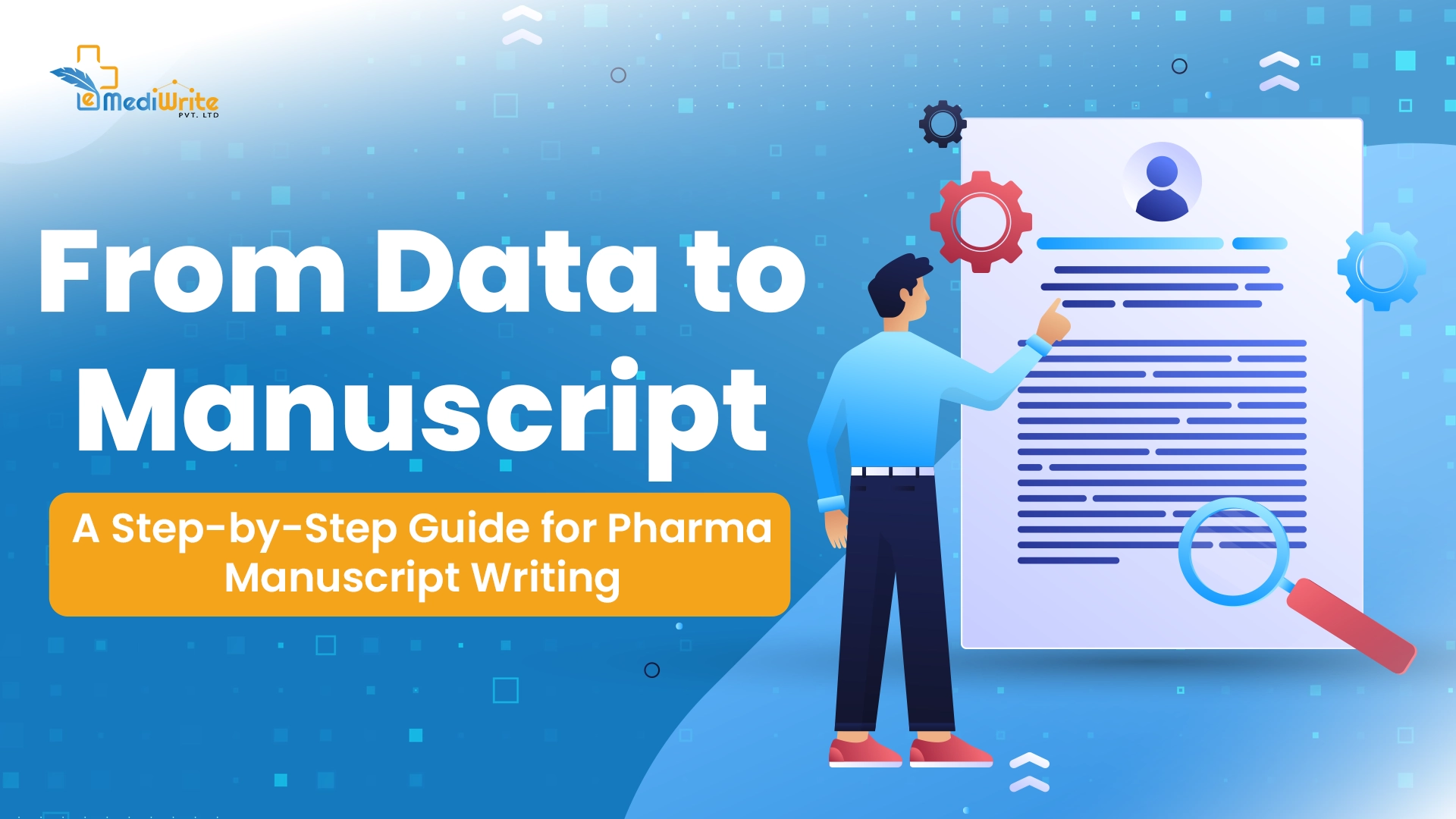
A digital illustration showing a person pointing at a large manuscript, with the text "From Data to Manuscript: A Step-by-Step Guide for Pharma Manuscript Writing" and the MediWrite logo.

Introduction In the pharmaceutical industry, turning research data into a publishable manuscript is both an art and a science. Every detail matters from data interpretation and structure to language accuracy and regulatory compliance. Pharma manuscript writing bridges the gap between research findings and global medical communication, ensuring that critical discoveries reach healthcare professionals, regulatory agencies, and scientific communities worldwide. This guide walks you through the pharma manuscript development process, explores common challenges, and highlights how platforms like eMediWrite streamline and enhance manuscript creation for pharma companies. What Is Pharma Manuscript Writing? Pharma manuscript writing refers to the process of transforming raw scientific data from clinical trials, laboratory studies, or medical research into a structured, peer-review-ready document suitable for publication in scientific journals. Unlike general scientific writing, medical manuscript writing pharma requires adherence to strict ethical guidelines, journal standards, and data integrity principles. The manuscript must clearly communicate methodology, findings, and implications while maintaining accuracy, transparency, and compliance with regulations such as ICMJE, GPP, and CONSORT. Effective manuscript development for pharma ensures that the scientific message is clear, credible, and compliant with regulatory and ethical expectations all while appealing to an academic audience. Also Read This: 5 Strategies for Balancing Pharma Product Innovation with Regulatory Body Mandates The Pharma Manuscript Development Process The pharma manuscript development process involves multiple coordinated stages from data collection to submission. Each stage demands precision, attention to detail, and collaboration between scientists, medical writers, and reviewers. Research and Data Gathering for Pharma Manuscript Development The foundation of any strong manuscript lies in robust data. Researchers must collect and analyze all relevant findings from clinical studies, preclinical experiments, or regulatory submissions. Key steps include: A transparent data presentation not only strengthens credibility but also supports reproducibility a core principle in pharma manuscript writing. Structuring the Pharma Manuscript A well-structured manuscript enhances readability and ensures compliance with journal guidelines. Most manuscript development for pharma follows the IMRaD format Introduction, Methods, Results, and Discussion. Writing the Abstract and Introduction The abstract provides a concise summary of the study’s purpose, methods, results, and conclusions. It should capture the essence of the research and attract reviewers’ attention. The introduction explains the study’s rationale, highlights the research gap, and defines the objectives. In pharma manuscript writing, clarity and conciseness are key excessive background information can dilute the focus. Also Read This: The Untold Power of Public Relations in the Medical World What Are the Key Elements of the Pharma Manuscript Writing Process? A successful pharma manuscript writing process requires meticulous attention to each section, ensuring the data narrative remains consistent and compelling. Writing the Results and Discussion Sections The results section presents findings objectively, supported by tables, figures, and statistical analyses. Avoid interpretation here that belongs in the discussion. In the discussion section, interpret results in the context of existing literature, highlight study significance, and address limitations. This section demonstrates the scientific impact of your research and connects the data to real-world clinical implications. Combining clarity, evidence, and consistency in these sections is central to mastering the pharma manuscript development process. Peer Review and Revision Process in Pharma Manuscript Writing The peer review phase is crucial for validation and quality assurance. Reviewers evaluate study design, data integrity, and interpretation accuracy. In pharma manuscript writing, feedback from peers and subject-matter experts helps refine clarity, strengthen argumentation, and correct potential errors. Iterative revisions based on peer input ensure the manuscript meets the high standards of scientific publication. Also Read This: Strategies That Work: The Role of Content Marketing in Healthcare How to Overcome Common Challenges in Pharma Manuscript Writing? Despite experience and resources, even expert writers face obstacles in pharma manuscript writing. Understanding and addressing these early improves efficiency and publication success. Time Management and Deadlines in Pharma Manuscript Development Tight deadlines are one of the biggest hurdles in pharma manuscript development process management. To stay on schedule: Prioritizing organization and communication is vital to maintaining quality and meeting journal submission deadlines. Other challenges include ensuring data accuracy, aligning with journal formatting requirements, and managing multi-author collaborations all of which can be simplified with structured workflows and professional guidance. Also Read This: Navigating Regulatory Challenges: How eMediWrite Helps Pharma Marketers Medical Manuscript Writing Pharma: How Is It Different from Other Writing? Medical manuscript writing pharma differs from academic or general scientific writing due to its regulatory context, audience expectations, and precision standards. Key distinctions include: Writers involved in manuscript development for pharma must balance scientific depth with clarity while ensuring full compliance with journal and ethical guidelines. How EmediWrite Helps Your Healthcare Business in Pharma Manuscript Writing? eMediWrite simplifies the complex process of pharma manuscript writing through its specialized medical writing solutions designed for pharmaceutical and healthcare organizations. Here’s how eMediWrite adds value to your pharma manuscript development process: By integrating eMediWrite into your workflow, you can transform the manuscript development for pharma process from time-consuming to seamless helping your research reach the right audience effectively and ethically. Conclusion Pharma manuscript writing is a vital component of scientific communication in the pharmaceutical industry. From transforming complex datasets into coherent narratives to ensuring compliance with global publication standards, the process requires both skill and strategy. By mastering the pharma manuscript development process and applying the right tools and expertise, organizations can produce manuscripts that inform, influence, and inspire confidence in the medical community. Partnering with eMediWrite ensures your research is communicated with clarity, accuracy, and compliance turning data into impactful scientific publications. FAQ What are the key steps involved in the pharma manuscript writing process? The pharma manuscript writing process includes data collection, analysis, structuring the manuscript, drafting sections, peer review, and final submission. How can I ensure my pharma manuscript is well-structured for publication? Follow journal guidelines, maintain logical flow, and use clear headings and figures. The IMRaD structure ensures readability and compliance. What challenges do writers typically face when developing a pharma manuscript? Common issues in manuscript development for pharma include tight deadlines, inconsistent data, and unclear author contributions. Why is the … Read more