The Untold Power of Public Relations in the Medical World

Two professionals, one in a doctor's coat and one in a suit, shaking hands while other medical staff stand in the blurred background.

Public Relations in the Medical Field In an era where trust, transparency, and credibility shape the success of healthcare and pharmaceutical organizations, public relations in the medical field has emerged as a cornerstone of effective communication. It bridges the gap between medical professionals, patients, and the public ensuring accurate information, ethical storytelling, and lasting relationships. Whether you’re a hospital, healthcare start up, or global pharma brand, strong medical public relation practices help build a reputation rooted in authenticity, reliability, and care. Why Public Relations Is Crucial for the Medical Industry? The healthcare sector deals with sensitive information and life-impacting decisions. Miscommunication or misinformation can erode public trust instantly. That’s why public relations in healthcare is not just about promotion it’s about maintaining credibility and fostering confidence among patients, partners, and the public. Through strategic communication, PR professionals ensure medical updates, breakthroughs, and innovations are presented clearly, ethically, and responsibly. The goal is to educate, not just advertise and that’s what makes public relations in the medical field indispensable. Key Components of Healthcare Public Relations Building an impactful healthcare public relations strategy requires a mix of strong media outreach, trust-building communication, and crisis preparedness. Media Relations and Its Importance in Healthcare PR Media relations play a vital role in shaping how healthcare brands are perceived. Journalists and medical publications serve as conduits between your organization and the public. In public relations in healthcare, media partnerships can amplify visibility for: Consistent, transparent engagement with media professionals helps ensure accurate representation and fosters long-term credibility a crucial aspect of medical public relation. Building Credibility through Healthcare Public Relations Credibility is the currency of the healthcare world. Patients and practitioners rely on trustworthy sources when making decisions about treatments, hospitals, or medications. Through expert interviews, press releases, and educational content, healthcare public relations strategy builds thought leadership for medical organizations. When the public sees a brand actively contributing to health education and scientific discourse, trust naturally follows. Also Read This: Turning ‘No’ Into ‘Yes’: How Product Managers Can Pitch Ideas That Win Developing an Effective Healthcare Relationship Management Strategy Beyond traditional media outreach, successful public relations in the medical field relies on strong healthcare relationship management. This involves nurturing long-term relationships with key stakeholders including patients, healthcare professionals, regulators, and community partners. A solid healthcare relationship management framework enables organizations to: Best Practices for Relationship Management in Healthcare PR To strengthen relationships through medical public relation efforts: When executed well, healthcare relationship management becomes the backbone of a resilient healthcare PR strategy. Also Read This: Navigating Regulatory Challenges: How eMediWrite Helps Pharma Marketers Stay Compliant and Ahead The Role of Public Relations in Pharmaceutical Marketing In the pharmaceutical industry, public relations in healthcare goes beyond product promotion it builds trust around science, safety, and patient outcomes. Pharma companies rely on public relations in the medical field to communicate research findings, address public health concerns, and demonstrate corporate responsibility. Leveraging Public Relations for Pharmaceutical Brand Awareness Medical public relation plays a critical role in boosting brand visibility while maintaining ethical boundaries. A strong PR approach helps pharmaceutical brands: By merging medical accuracy with engaging narratives, public relations in pharmaceutical marketing transforms complex data into compelling, human-centred communication. Also Read This: Pharma Branding Strategies 2025-2026 The Impact of Digital Media on Healthcare Public Relations Digital transformation has revolutionized public relations in healthcare. With patients increasingly turning to online sources for medical information, digital platforms have become central to healthcare communication. Through social media, online press releases, and digital storytelling, PR teams can reach broader audiences faster and more effectively. Online engagement also enables real-time feedback, helping brands adapt communication strategies promptly. Modern healthcare public relations strategy now integrates content marketing, influencer collaborations, and data-driven analytics ensuring every message aligns with audience interests and ethical guidelines. Also Read This: The Role of Content Marketing in Healthcare How Healthcare PR Can Influence Public Perception of Medical Brands Public perception is often shaped not just by what an organization does, but by how it communicates. In healthcare, perception directly impacts patient confidence, referral rates, and even treatment outcomes. Strategic public relations in the medical field helps shape this perception positively by: An effective medical public relation strategy reinforces trust, ensuring that both professionals and patients view the brand as credible, compassionate, and committed to health improvement. How Can eMediWrite Assist You with Healthcare Public Relations? eMediWrite offers comprehensive support for organizations seeking to strengthen their public relations in healthcare and pharmaceutical marketing. Here’s how eMediWrite empowers your PR efforts: By partnering with eMediWrite, your healthcare or pharma brand can navigate the complex PR landscape confidently ensuring every message is accurate, compliant, and impactful. Conclusion Public relations in the medical field is not just about publicity it’s about purpose-driven communication that builds trust, credibility, and long-term relationships. From healthcare relationship management to public relations in healthcare campaigns, effective PR ensures medical and pharmaceutical organizations communicate with clarity, empathy, and integrity. With the right strategy and support from experts like eMediWrite healthcare brands can elevate their visibility, strengthen trust, and make a lasting impact in the lives of patients and communities. Frequently Asked Questions (FAQs) What is the Role of Public Relations in the Medical Field? It involves building trust, managing media communications, and ensuring transparent, ethical information sharing between healthcare organizations and the public. How Does Public Relations Impact Pharmaceutical Marketing? Public relations in healthcare helps pharma brands establish credibility, communicate research outcomes, and manage reputation across audiences. What Are the Key Elements of Healthcare Public Relations Strategy? A strong healthcare public relations strategy includes media outreach, stakeholder engagement, content creation, and crisis management. How Can Healthcare Relationship Management Enhance PR Efforts? Healthcare relationship management strengthens communication channels with patients and partners, leading to higher trust and better brand loyalty. Why Should Pharmaceutical Brands Invest in Public Relations? It ensures transparency, builds public trust, enhances brand reputation, and supports ethical marketing initiatives. What Are the Best Practices for Healthcare Public Relations in the Digital Age? Adopt digital storytelling, engage … Read more
Pharmacogenomics in India: Is Personalized Medicine the Future?

The Promise of Precision Pharmacogenomics, the study of how genetic differences affect drug responses, is reshaping modern medicine. Tailoring treatments to an individual’s genetic makeup it offers more effective, safer therapies. In India, home to vast genetic diversity, pharmacogenomics could revolutionize healthcare. But challenges in access, awareness, and infrastructure remain. Genetic Diversity: Strength and Challenge India’s population, spanning over 4,000 ethnic groups, shows wide genetic variability. This affects how individuals respond to drugs. For example, up to 35% of Indians carry a mutation in the CYP2C19 gene, reducing the effectiveness of clopidogrel, a common blood thinner used after stent placement. In 2019, AIIMS researchers found this mutation prevalent among North Indian cardiac patients, prompting discussion around pre-treatment genetic testing. Similarly, NAT2 gene variations impact the tuberculosis drug isoniazid. A 2021 study from the National Institute for Research in Tuberculosis (NIRT) found that “slow acetylators” were at significantly higher risk of liver toxicity during TB treatment. Current Progress in India India is making gradual strides. The GenomeIndia Project, led by the Department of Biotechnology, is mapping 10,000 Indian genomes to support drug discovery and precision medicine. Startups like MedGenome offer cancer patients testing for genes like BRCA1/2, guiding treatment with targeted therapies like PARP inhibitors. A case at Tata Memorial Hospital highlighted how a woman with triple-negative breast cancer avoided chemotherapy toxicity due to timely BRCA testing. Hospitals such as Apollo and Max Healthcare now offer pharmacogenomic panels for psychiatric, cardiovascular, and cancer medications. Barriers to Adoption Key hurdles include: Conclusion: A Future Worth Building With continued investment, policy reform, and education, pharmacogenomics can make Indian healthcare not only more precise but truly personalized. Real-world success stories show it’s no longer a futuristic concept, it’s a future already unfolding

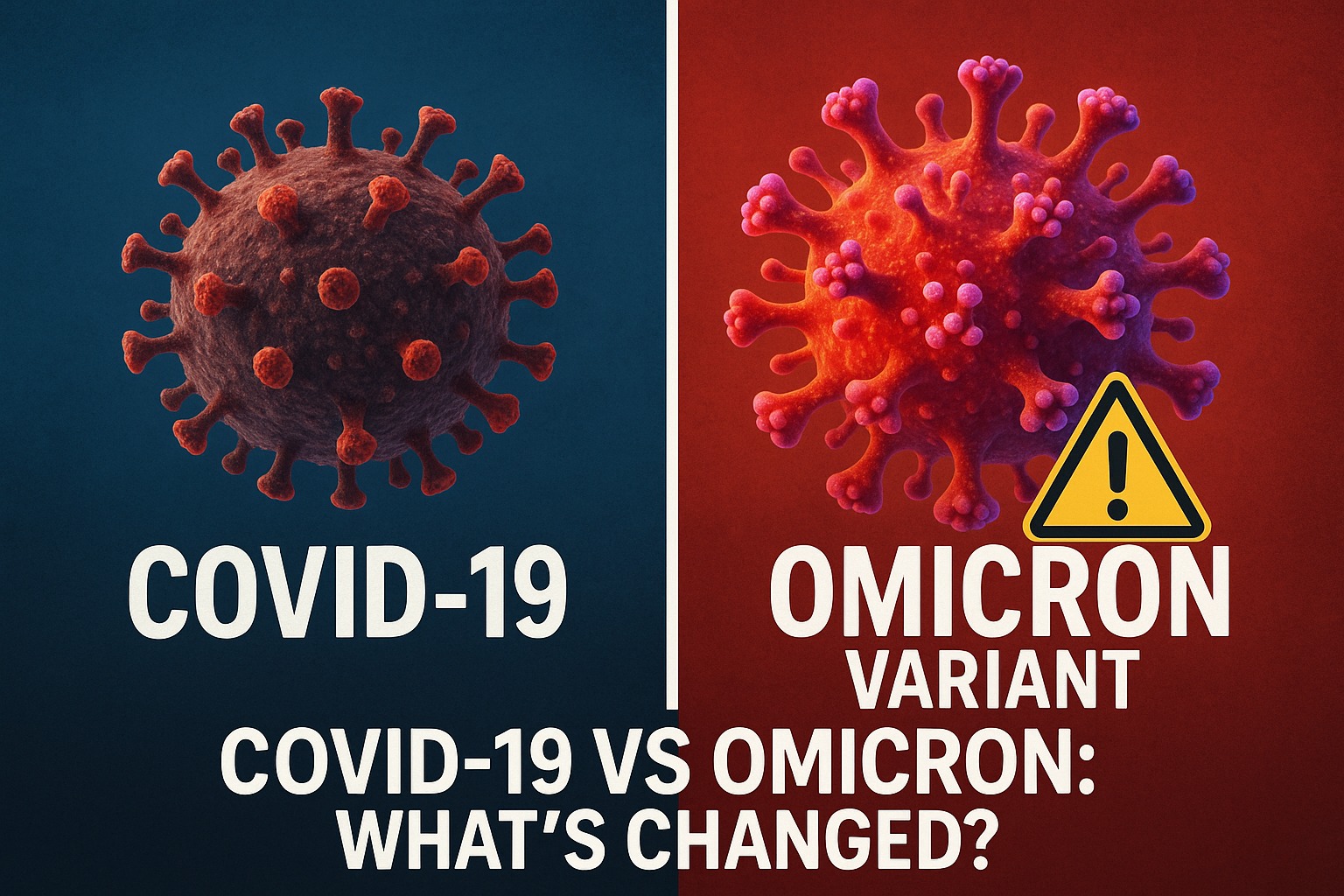
COVID-19 Then vs. Now: What’s Changed with the Latest Variant in 2025?

The Onset: Unravelling a Global Emergency The world came to a halt when COVID-19 first surfaced in late 2019. The lack of immunizations, a lack of knowledge, and high rates of transmission overloaded healthcare services. Emergency medical responses, social distancing, and lockdown became the new norm. Today, the virus has changed. The most recent form, believed to be a subvariant of Omicron, is more infectious but typically causes less severe illness. Unlike the severe respiratory symptoms of early COVID-19, this variant presents typically with symptoms such as a runny nose, sore throat, cough, and fatigue, which are comparable to those of the common cold, especially in vaccinated individuals. The population has formed a protective layer as a result of previous illnesses and widespread inoculation. For the more current variants, booster dosages are available, which continue to reduce the risk of serious illness. Furthermore, the use of antiviral drugs and the development of improved testing methods have significantly enhanced the management of COVID-19. Although overall severity has decreased, vulnerable groups remain at risk, including the elderly, those with compromised immune systems, and those who have not received vaccines. Since the virus is still spreading, many individuals are still concerned about long-term COVID. ​Even if things have mostly returned to normal, it’s important to remember to practice preventive measures. Protecting ourselves and others still mostly involves wearing masks in busy areas, isolating when ill, and maintaining current immunizations.

DERMACON’2025: eMediWrite’s Journey Through Innovation in Dermatology

The vibrant city of Jaipur witnessed an extraordinary convergence of dermatology experts, innovators, and industry leaders at DERMACON’2025. As one of India’s most prestigious dermatology conferences, this event provided a unique platform to explore cutting-edge advancements, new treatment modalities, and emerging trends shaping the future of skin health. At eMediWrite, we specialise in medical communications, bridging the gap between scientific expertise and engaging content. Our team was thrilled to be part of DERMACON’2025, interacting with dermatologists, researchers, and pharmaceutical professionals to understand their evolving needs in dermatology. A Glimpse into DERMACON 2025 🌟 Scientific Excellence on Display The conference featured ground-breaking research presentations, live demonstrations, and expert panel discussions on the latest advancements in dermatology, aesthetics, and skin therapy. The event showcased game-changing innovations in skin health, from AI-powered diagnostic tools to next-gen biologics for psoriasis. 🔬 Emerging Trends in Dermatology Some of the hottest topics at DERMACON’2025 included: ✅ Personalized Skincare & Precision Medicine – Tailoring treatments based on genetic profiles. ✅ Regenerative Dermatology – Stem cell therapy and exosome-based skin rejuvenation. ✅ Cosmeceuticals & Aesthetic Dermatology – The rise of evidence-based skincare. ✅ Dermato-Oncology – Advances in the early detection and treatment of skin cancers. 👩‍⚕️ Engaging with Experts Our team had the privilege of interacting with renowned dermatologists and pharma leaders to discuss the evolving role of medical content in dermatology marketing. The insights gained will shape our approach to creating impactful and scientifically accurate content for dermatology brands. Looking Ahead: Beyond DERMACON 2025 The insights from DERMACON‘2025 highlight the growing need for clear, engaging, and strategic medical communication in dermatology. As innovations in skincare and treatment continue to advance, dermatology brands require compelling, science-backed narratives to connect with their audience effectively.Whether it’s medical content, brand storytelling, or digital strategy, eMediWrite is committed to helping dermatology brands stand out with impactful communication.

The Road to Building a Leading Pharma Brand: A Product Manager\’s Guide

Becoming an outstanding product manager in the pharmaceutical industry and creating a top-tier brand demands a blend of strategic insight, industry expertise, and flawless execution. Here’s a comprehensive guide to help you excel and establish a number-one product in the market. 1. Deeply Understand Your Market and Audience To create a leading product, you need to understand the therapeutic area thoroughly. Stay updated on the latest research, clinical trials, and market trends that affect your product’s development. Equally important is understanding your target audience—patients, healthcare professionals, regulators, and payers. Recognizing their needs and behaviours is critical for crafting a tailored product and marketing strategy. 2. Conduct Robust Market Research Market research is your foundation. Start with competitor analysis to understand the gaps and areas for differentiation. Investigate unmet patient needs by gathering insights directly from patients and healthcare providers through surveys and focus groups. Additionally, staying informed about the regulatory landscape in your target markets will help ensure compliance and smooth market entry. 3. Develop a Compelling Value Proposition Your product’s unique selling proposition (USP) should be clear and compelling. It could be superior efficacy, a better safety profile, or more affordable pricing. Define what makes your product stand out in the market and create a brand promise that aligns with both the scientific benefits and emotional value your product provides to patients and healthcare providers. 4. Cross-Functional Collaboration Effective collaboration across departments is essential. Work closely with R&D to ensure that your product addresses unmet needs and is scientifically sound. Marketing, sales, and clinical teams should be aligned to maintain consistent messaging and create a strong, unified brand presence in the field. 5. Create an Effective Launch Strategy A successful launch is a phased process. First, ensure your product’s market entry strategy is carefully planned, taking into account the competitive landscape, pricing, distribution, and regulatory approvals. Building strong clinical evidence and cultivating relationships with key opinion leaders (KOLs) will help position your product as an industry leader from the start. 6. Focus on Innovation and Continuous Improvement Innovation doesn’t end with the product launch. Focus on patient-centric innovations such as support programs, adherence tools, and digital solutions that enhance the overall patient experience. Always plan for product lifecycle management—explore line extensions, new indications, and post-launch strategies to maintain the product’s relevance. 7. Embrace Digital and Data-Driven Marketing In today’s digital age, leveraging digital marketing is key. Invest in strategies that allow you to engage healthcare professionals and patients directly. Use data analytics to optimize your marketing spend and track performance. Digital tools like apps and patient support programs can also help improve adherence, creating stronger brand loyalty. 8. Build and Protect Your Brand Consistency is crucial in building a trustworthy brand. Ensure that all your communications, from marketing materials to customer interactions, reflect a unified brand identity. Post-market surveillance allows you to monitor product feedback, address issues, and refine your approach as needed. 9. Stay Agile and Resilient The pharmaceutical industry is dynamic, with frequent changes in regulations, market trends, and new breakthroughs. Stay adaptable, ready to pivot when necessary. Have a crisis management plan in place for unforeseen events such as negative clinical results or product recalls. 10. Leadership and Influence Strong leadership is crucial in steering cross-functional teams toward common goals. Develop your ability to inspire and align teams with a shared vision. Networking with industry influencers and thought leaders can open doors for new collaborations, enhancing the credibility and reach of your product. By focusing on these principles, you can build a standout brand that resonates with both healthcare professionals and patients, and ultimately achieve your goal of creating a number-one brand in the pharmaceutical space. If you’re looking for ways to enhance your product’s impact and drive stronger results, exploring effective communication strategies can make all the difference.

Struggling to Stand Out? Here’s Why Your Pharma Brand Is Losing Visibility!

In the highly competitive pharmaceutical industry, your brand’s visibility plays a crucial role, i.e., it can make or break your market success. If your brand is struggling to make a lasting impression, several factors may be contributing to its diminishing presence. The good news? With the right strategies, you can boost your visibility and regain your competitive edge. Inconsistent message across multiple channels can confuse your audience and weaken your brand’s identity. Whether it’s a mismatch in tone between your website and social media, or conflicting brand messaging in promotional materials, inconsistency can erode trust. In pharma, maintaining a unified voice across all platforms is even more critical —regulatory compliance, patient safety, and professional credibility must be consistently communicated to build rust and recognition. An outdated or minimal digital footprint can severely limit your brand’s reach, especially in today’s digital-first world. To improve visibility, focus on optimising your website with a user-friendly design, engaging educational content, and patient-centric resources. Robust social media strategies and effective SEO can also drive traffic to your site. Remember, reaching both healthcare professionals and patients requires a tailored approach to digital approach to digital content — one that addresses their unique needs and fosters trust. Audience engagement is vital for nurturing loyalty and maintaining brand relevance. In the pharma sector, this means going beyond the typical advertising model. Actively engage with your audience —through live webinars with thought leaders, educational social media content, and personalised email newsletters —keeps your brand top-of-mind. By consistently offering value, you can strengthen relationships with both healthcare professionals and patients, making them more likely to trust and choose your brand. In pharma, scientific information is essential, but it must be communicated in a way that resonates with your target audience. For general public, balancing technical information with accessible, patient-centric content ensures broader appeal. For healthcare professional, presenting complex data in a more digestible format can improve understanding without sacrificing credibility. In both cases, your goal should be to simplify complex information without losing the core scientific integrity, ensuring your content remains both accurate and relatable. Improving brand visibility in the competitive pharma market requires clear, consistent communication, a robust digital presence, and a meaningful engagement with your audience. By refining your messaging, optimising your digital strategies, and focussing on patient and HCP relationships, you can regain your visibility and strengthen your brand’s position in the market. Don’t wait —start implementing these strategies today to see tangible results!

PHARMA BRAND PLANNING IN 2024: CONSIDER THESE 3 FACTORS

Every year, pharma marketing teams engage in multi-phased, cross-functional, multi-organizational strategic planning and also in aligning work-stream dubbed “Brand Planning” by many in the industry. Brand planning is often a three-phased process that includes Strategic Planning, Tactical Planning, and Budget Planning. Every quarter, marketing teams (Consumer, HCP, and Payer) align on the brand’s mission, strategic imperatives, and high-level programs. Following that, the marketing team engages both internal and external teams in a tactical ideation process that determines the vast bulk of what the brand will say and do over the next year. Senior marketing leaders typically approve tactical strategies and set budgets for each team at the beginning of the year. While this is usually a well-established and well-understood process, the events over the last 20 months have been anything but typical. Pharma target consumers were forced to use platforms and channels that had been neglected for a long time, with many of those experiences being pleasant. Those positive experiences, as well as the likelihood that those actions will become the new norm, plainly indicate that pharma marketers do not have the luxury of reverting to the typical go-to playbook of “block-and-tackle” techniques that dominated earlier tactical strategies. The traditional approach did not and will not function as well as it formerly did, as evidenced by the data. From a general perspective, despite large gains in site traffic (+16%), pharma website engagement rates were down. The satisfaction of HCPs with their digital encounters has also decreased. Traditional marketing channels have been drastically disrupted by pandemics and social/political/economic crises, which should have prompted pharma marketing teams to shift to more digital approaches, as seen in other industries. The Digital IQ Index: Pharma Rx 2021, on the other hand, clearly demonstrated that while certain companies performed this, quick read-and-react was not universal. Different marketing teams within a single brand were not always in sync. Brand teams that understand the changing nature of marketing and their target audiences have an advantage over their slower-moving competitors, and a growing lead if they have already made changes. Pharma marketing leaders who seek a strategy to catch up or extend their lead should look to the brand planning process as the quickest method to do so. A vast number of pharmaceutical companies use a calendar fiscal year, and the majority of them are presently preparing tactical plans for the calendar year 2024. Prior to committing to those activities, pharma marketing executives should make certain that their teams:

Payment delays for pharma MSMEs are a significant problem

Background Small and medium-sized businesses (SMEs) are the backbone of India’s economy, creating a large amount of jobs and spurring economic expansion. Delay in payments is one of the main issues MSMEs in India deal with, though. Delayed payments put SMEs at a disadvantage compared to large size counterparts, inhibiting their ability to compete effectively in the market, and addressing the issue requires a multi-faceted approach involving various stakeholders. The financial security and long-term viability of these firms are both impacted by the wide-ranging effects of this problem. Causes of late payments to pharmaceutical MSMEs Large enterprises’ ineffective cash flow management, such as slow receivables processing and protracted payment cycles, can negatively affect SMEs by delaying their critical payments. Compared to larger enterprises, pharmaceutical MSMEs typically operate in a weaker bargaining position. Buyers can take advantage of this power disparity by delaying payments without suffering severe consequences. Pharma MSMEs might not have the negotiation leverage or other options necessary to properly handle late payments. Due to administrative inefficiencies, bureaucracy, the ongoing push for improved margins, or a lack of awareness regarding the impact of delayed payments on pharma MSMEs, many purchasers, both private and public bodies, are compelled to employ delayed payment practices. Challenges posed by payments that are late for pharma MSMEs For pharma MSMEs, late payments present formidable obstacles. It interferes with SMEs’ cash flow, making it difficult for them to pay personnel, cover operational costs, and engage in growth projects. Some pharmaceutical MSMEs may even be forced to the verge of closure by this financial pressure. Pharma MSMEs may use pricey alternative financing alternatives as a last resort to close the gap left by delayed payments. This has a detrimental influence on their financial health further by increasing interest costs and debt loads. Delays in payments limit the industry’s capacity to expand operations, make investments in new technologies, or explore new markets due to limited working cash. This limits their ability to grow and stifles the creation of jobs. SMEs are also at a disadvantage when compared to their larger counterparts due to delayed payments, which limits their capacity for effective market competition. Taking care of the situation Payment delays to pharma micro, small, and medium-sized companies (MSMEs) call for a multifaceted strategy including numerous stakeholders. The solution to the issue of delayed payments is collaboration. It is important to encourage pharma MSMEs to join trade organizations so that they can have a stronger collective bargaining position and a unified voice when negotiating improved payment conditions with clients. These 6 tactics can be put into practice to improve the climate for MSMEs and address the problem of late payments to pharma MSMEs in India.

International Product Management: Navigating the complexities of international markets, including regulatory variations, pricing dynamics, cultural differences, and market access challenges

Globally, market access has drawn a lot of attention as nations struggle to control their rising healthcare costs amid the international economic downturn. Governments have responded by implementing more stringent guidelines for the approval of new products. As a result, pharmaceutical firms are having a harder time addressing the unique issues brought up by diverse governmental, regulatory, and stakeholder entities. The demand for market access services is growing, particularly in developing nations where the complicated and changing healthcare system makes it difficult to get products approved and used. Additionally, emerging markets are currently the primary drivers of growth, making success in these areas crucial for the bulk of pharmaceutical businesses. Due to greater awareness among regulatory and reimbursement authorities of the requirement for value above existing therapies, the market access role has progressively grown in relevance in developed economies. Pharmaceutical businesses have started to integrate the market access function within the organisation in order to deal with this shifting regulatory environment. Only a small number of businesses, however, now have a market access team with well-defined roles and duties. As a result, the majority of pharmaceutical firms today have a fragmented strategy, with sales, marketing, and regulatory departments each handling a portion of the market access duties. A pharmaceutical business will need a complete market access strategy to thrive in such complicated areas. This has to be tailored to meet local difficulties and tightly connected with other business operations. In contrast to established countries, the healthcare environment in developing nations is complicated and lacks a formalised medication approval procedure. For interacting with a wide range of stakeholders during market access, there are many different procedures and activities involved. The essential success characteristics that a business must implement in order to get easy market access are as follows:

2022 Indian Pharma Marketing Excellence Awards

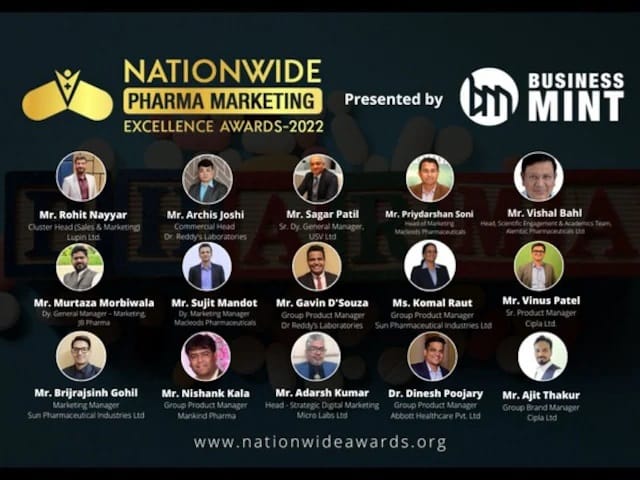
The Nationwide Pharma Marketing Excellence Awards 2022 are designed to recognize individuals who have contributed to developing innovative pharmaceutical products and services that may aid in providing patients with top-notch healthcare. They honor the initiative and dedication of specific individuals who toiled in the background and oversaw advancements in general healthcare for the benefit of Indian patients. More than 150 nominations were received for the Nationwide Pharma Marketing Excellence Awards 2022, which resulted in the selection of the Top 15 Winners by various people. Nationwide Pharma Marketing Excellence Awards-Winners list for 2022 1)     Leader of the Year: Rohit Nayyar, Cluster Head (Sales and Marketing), Lupin Ltd. 2)     Dr. Reddy’s Laboratories’ Archis Joshi, Commercial Head; Strategic Leader of the Year 3)     Sagar Patil, Senior Deputy General Manager at USV Ltd., was named the year’s Transformative Leader. 4)     Game Changer Leader of the Year: Priydarshan Soni, Head of Marketing at Macleods Pharmaceuticals Ltd. 5)     Vishal Bahl, Head of Alembic Pharmaceuticals Ltd.’s Scientific Engagement and Academics Team, is a model of excellence in key account management. 6)     Murtaza Morbiwala is the JB Pharma‘s deputy General Manager for marketing. – Cardiology: Excellence in Marketing 7)     Excellence in Marketing – Endocrinology Sujit Mandot, Dy. Marketing Manager, Macleods Pharmaceuticals Ltd. 8)     Dr. Reddy’s Laboratories’ Group Product Manager Gavin D’Souza won the Excellence in Marketing: Gastroenterology award. 9)     Excellence in Marketing – Urology Komal Raut, Group Product Manager, Sun Pharmaceutical Industries Ltd. 10)  Vinus Patel, Senior Product Manager, Cipla Ltd., Respiratory Marketing Excellence 11)  Excellence in Marketing – Gynecology: Brijrajsinh Gohil, Marketing Manager, Sun Pharmaceutical Industries Ltd. 12)  Best Marketer for Lifestyle Diseases, Nishank Kala, Group Product Manager at Mankind Pharma 13)  Adarsh Kumar, Head of Strategic Digital Marketing at Micro Labs Ltd., was recognized for his excellence in this area. 14)  Neuropsychiatry, Dr. Dinesh Poojary, Group Product Manager, Abbott Healthcare Pvt. Ltd 15)  Ajit Thakur, Cipla Ltd.’s Group Brand Manager, was recognized for marketing excellence for semi-chronic disorders. eMediWrite Pvt Ltd is a one-stop solution for medico-marketing solutions for those looking to improve their pharma brand market share. Dr Kamal Asnani, the founder of eMediWrite Pvt Ltd states that it has been a great pleasure honor the successes that the awardees have made possible through their dedication and labor. Everyone who won deserves my congratulations and best wishes for their future endeavors.