5 Tips That Ensure Your Medical Communication Agency Provides Quality Medico-Marketing Promotions on Time

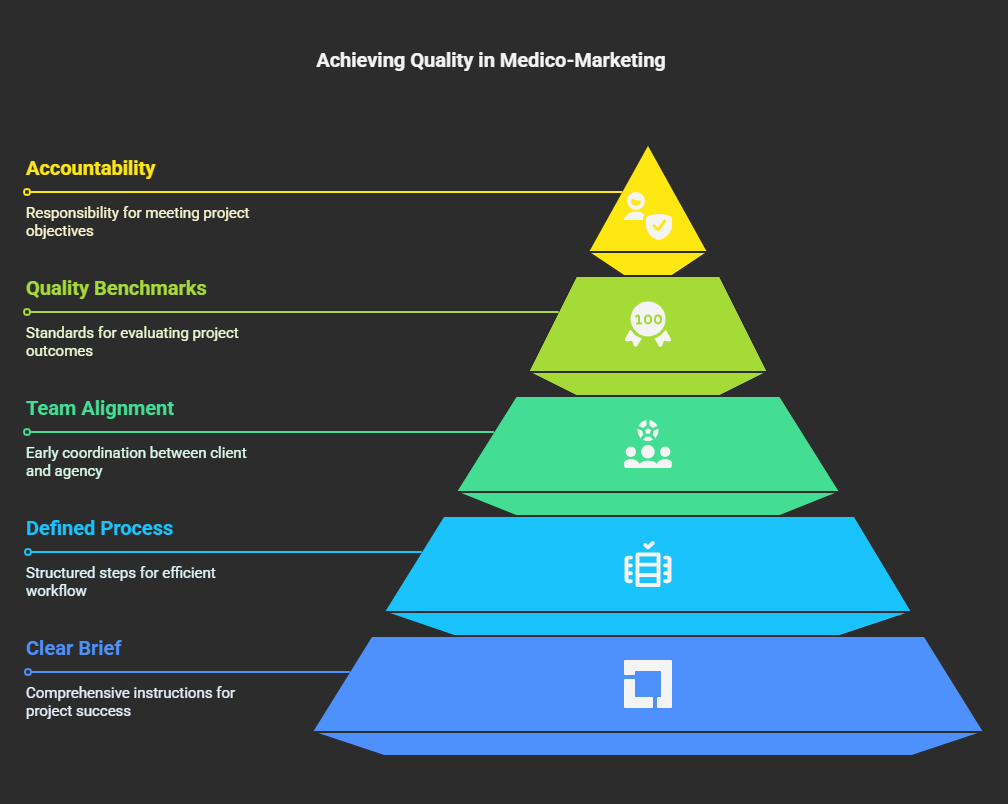
Tight timelines, legal requirements, and competitive brand positioning are all integral to the job description of a pharmaceutical marketer. Product launches can be derailed and brand reputations harmed by delays in medical content or subpar deliverables. How can you ensure your medical communication agency doesn’t act as a roadblock, but rather as a growth partner? These tried-and-true methods will ensure that you receive timely, high-quality medico-marketing materials that align with your brand goals. 1. Begin with a comprehensive and unambiguous brief.An intense brief produces excellent results. Make use of a uniform briefing template throughout your company. Include: 2. Create a specified procedure.Predictability is guaranteed by structure. A good agency will have a strong internal SOP that addresses: Timeline structure recommendation: 3. Align both teams early.Aligning expectations among the following can help to prevent last-minute chaos. Shared trackers (like Trello, Zoho, and Asana) and weekly calls facilitate deliverable management. These can include: 4. Establish quality standards.Give instances of “good” and “bad” collateral. Without a definition, quality is arbitrary. Ensure the agency is aware of your: 5. Include accountability in the framework.For transparency, make use of programs like ClickUp, Google Sheets, or dashboards tailored to your agency. Establish: Final Thought: From supplier to valuable partner.More than just a supplier, your med comm agency is an extension of your company’s identity. A partnership that grows with your marketing vision may be established with clarity, process, alignment, quality control, and accountability.

Stuck in Year-End Chaos? Smart Moves to Stay Ahead!

As the financial year comes to a close, product managers find themselves juggling multiple priorities—finalising planned activities, ensuring budgets are utilised wisely, and setting the stage for the next quarter. The pressure is real, but you can navigate this phase smoothly with the right approach.Here are some points that you can consider: 1. Prioritize Pending Plans Review your planned activities and categorize them into “Must-Do” and “Can-Defer.” Focus on high-impact initiatives that align with your brand’s growth strategy. 2. Smart Budget Utilization Instead of rushing to exhaust budgets, channel resources into impactful inputs—doctor engagement activities, scientific content, or digital assets that add long-term value. Having the right partners can make execution seamless. 3. Next Month’s Strategy Plan your April inputs now. Identify gaps in the market, gather field insights, and align with medical reps to ensure a strong start to the next financial year. If time is a constraint, collaborating with a medical communications agency can help execute your plans efficiently. 4. Data-Driven Planning Analyze this year’s performance—what worked, what didn’t? Use these insights to craft a strategic roadmap for the upcoming months. External content development and marketing strategy expertise can add value to this process. 5. Align with Teams Effective execution needs cross-functional alignment. Coordinate with marketing, sales, and medical teams to ensure smooth transitions and clear objectives. With the right resources and expert support, a structured approach can make all the difference. With structured planning and the right collaborations, product managers can confidently close the year and enter the next with a clear vision. *eMediWrite is a medical communications company which helps pharma in their marketing activities from ideation to execution.

DERMACON’2025: eMediWrite’s Journey Through Innovation in Dermatology

The vibrant city of Jaipur witnessed an extraordinary convergence of dermatology experts, innovators, and industry leaders at DERMACON’2025. As one of India’s most prestigious dermatology conferences, this event provided a unique platform to explore cutting-edge advancements, new treatment modalities, and emerging trends shaping the future of skin health. At eMediWrite, we specialise in medical communications, bridging the gap between scientific expertise and engaging content. Our team was thrilled to be part of DERMACON’2025, interacting with dermatologists, researchers, and pharmaceutical professionals to understand their evolving needs in dermatology. A Glimpse into DERMACON 2025 🌟 Scientific Excellence on Display The conference featured ground-breaking research presentations, live demonstrations, and expert panel discussions on the latest advancements in dermatology, aesthetics, and skin therapy. The event showcased game-changing innovations in skin health, from AI-powered diagnostic tools to next-gen biologics for psoriasis. 🔬 Emerging Trends in Dermatology Some of the hottest topics at DERMACON’2025 included: ✅ Personalized Skincare & Precision Medicine – Tailoring treatments based on genetic profiles. ✅ Regenerative Dermatology – Stem cell therapy and exosome-based skin rejuvenation. ✅ Cosmeceuticals & Aesthetic Dermatology – The rise of evidence-based skincare. ✅ Dermato-Oncology – Advances in the early detection and treatment of skin cancers. 👩‍⚕️ Engaging with Experts Our team had the privilege of interacting with renowned dermatologists and pharma leaders to discuss the evolving role of medical content in dermatology marketing. The insights gained will shape our approach to creating impactful and scientifically accurate content for dermatology brands. Looking Ahead: Beyond DERMACON 2025 The insights from DERMACON‘2025 highlight the growing need for clear, engaging, and strategic medical communication in dermatology. As innovations in skincare and treatment continue to advance, dermatology brands require compelling, science-backed narratives to connect with their audience effectively.Whether it’s medical content, brand storytelling, or digital strategy, eMediWrite is committed to helping dermatology brands stand out with impactful communication.

The Road to Building a Leading Pharma Brand: A Product Manager\’s Guide

Becoming an outstanding product manager in the pharmaceutical industry and creating a top-tier brand demands a blend of strategic insight, industry expertise, and flawless execution. Here’s a comprehensive guide to help you excel and establish a number-one product in the market. 1. Deeply Understand Your Market and Audience To create a leading product, you need to understand the therapeutic area thoroughly. Stay updated on the latest research, clinical trials, and market trends that affect your product’s development. Equally important is understanding your target audience—patients, healthcare professionals, regulators, and payers. Recognizing their needs and behaviours is critical for crafting a tailored product and marketing strategy. 2. Conduct Robust Market Research Market research is your foundation. Start with competitor analysis to understand the gaps and areas for differentiation. Investigate unmet patient needs by gathering insights directly from patients and healthcare providers through surveys and focus groups. Additionally, staying informed about the regulatory landscape in your target markets will help ensure compliance and smooth market entry. 3. Develop a Compelling Value Proposition Your product’s unique selling proposition (USP) should be clear and compelling. It could be superior efficacy, a better safety profile, or more affordable pricing. Define what makes your product stand out in the market and create a brand promise that aligns with both the scientific benefits and emotional value your product provides to patients and healthcare providers. 4. Cross-Functional Collaboration Effective collaboration across departments is essential. Work closely with R&D to ensure that your product addresses unmet needs and is scientifically sound. Marketing, sales, and clinical teams should be aligned to maintain consistent messaging and create a strong, unified brand presence in the field. 5. Create an Effective Launch Strategy A successful launch is a phased process. First, ensure your product’s market entry strategy is carefully planned, taking into account the competitive landscape, pricing, distribution, and regulatory approvals. Building strong clinical evidence and cultivating relationships with key opinion leaders (KOLs) will help position your product as an industry leader from the start. 6. Focus on Innovation and Continuous Improvement Innovation doesn’t end with the product launch. Focus on patient-centric innovations such as support programs, adherence tools, and digital solutions that enhance the overall patient experience. Always plan for product lifecycle management—explore line extensions, new indications, and post-launch strategies to maintain the product’s relevance. 7. Embrace Digital and Data-Driven Marketing In today’s digital age, leveraging digital marketing is key. Invest in strategies that allow you to engage healthcare professionals and patients directly. Use data analytics to optimize your marketing spend and track performance. Digital tools like apps and patient support programs can also help improve adherence, creating stronger brand loyalty. 8. Build and Protect Your Brand Consistency is crucial in building a trustworthy brand. Ensure that all your communications, from marketing materials to customer interactions, reflect a unified brand identity. Post-market surveillance allows you to monitor product feedback, address issues, and refine your approach as needed. 9. Stay Agile and Resilient The pharmaceutical industry is dynamic, with frequent changes in regulations, market trends, and new breakthroughs. Stay adaptable, ready to pivot when necessary. Have a crisis management plan in place for unforeseen events such as negative clinical results or product recalls. 10. Leadership and Influence Strong leadership is crucial in steering cross-functional teams toward common goals. Develop your ability to inspire and align teams with a shared vision. Networking with industry influencers and thought leaders can open doors for new collaborations, enhancing the credibility and reach of your product. By focusing on these principles, you can build a standout brand that resonates with both healthcare professionals and patients, and ultimately achieve your goal of creating a number-one brand in the pharmaceutical space. If you’re looking for ways to enhance your product’s impact and drive stronger results, exploring effective communication strategies can make all the difference.

The Power of Proof: KOL Case Reports and Testimonials in Pharma Marketing

In the competitive world of pharma marketing, trust isn’t just desirable—it’s essential. Product managers and marketers often ask themselves: How do we communicate value effectively while building credibility? One proven way is by leveraging KOL endorsed case studies and testimonials. Why Case Studies Work Case studies work by offering real-world proof of your product’s effectiveness. When endorsed by KOLs, they gain added credibility, showing how respected experts have successfully addressed specific challenges. For instance, a detailed KOL-endorsed case study on how a medication improved patient outcomes resonates with both healthcare professionals and patients, helping them understand its practical benefits and real-world impact. This endorsement builds trust, making the product more relatable and reliable. Testimonials Speak VolumesWhen doctors or patients share their experiences with your brand, it humanizes the science. Testimonials bridge the gap between complex clinical data and personal, relatable stories. A heartfelt endorsement from a practitioner or a patient reassures others of your product’s value. Building Trust Through ProofCase studies and testimonials work together to strengthen trust. They provide a balance of evidence and emotion, offering both logic and reassurance. In an industry where decision-making is rooted in both science and human impact, this approach is a powerful tool. Driving Engagement with Stories That ResonateBeyond showcasing outcomes, these tools also help establishing a connection between your brand and its audience. Case studies demonstrate real-world applications, while testimonials speak to the personal impact of your product. Together, they inspire confidence, drive engagement, and set your brand apart in a crowded market. In today’s pharma landscape, demonstrating value goes beyond technical details—it’s about creating connections through stories of impact. When your audience sees the tangible results of your product and hears genuine voices of endorsement, trust naturally follows. If you’re looking for ways to craft compelling narratives that resonate with healthcare professionals and patients alike, it’s time to explore how case studies and testimonials can transform your communication strategy.

Struggling to Stand Out? Here’s Why Your Pharma Brand Is Losing Visibility!

In the highly competitive pharmaceutical industry, your brand’s visibility plays a crucial role, i.e., it can make or break your market success. If your brand is struggling to make a lasting impression, several factors may be contributing to its diminishing presence. The good news? With the right strategies, you can boost your visibility and regain your competitive edge. Inconsistent message across multiple channels can confuse your audience and weaken your brand’s identity. Whether it’s a mismatch in tone between your website and social media, or conflicting brand messaging in promotional materials, inconsistency can erode trust. In pharma, maintaining a unified voice across all platforms is even more critical —regulatory compliance, patient safety, and professional credibility must be consistently communicated to build rust and recognition. An outdated or minimal digital footprint can severely limit your brand’s reach, especially in today’s digital-first world. To improve visibility, focus on optimising your website with a user-friendly design, engaging educational content, and patient-centric resources. Robust social media strategies and effective SEO can also drive traffic to your site. Remember, reaching both healthcare professionals and patients requires a tailored approach to digital approach to digital content — one that addresses their unique needs and fosters trust. Audience engagement is vital for nurturing loyalty and maintaining brand relevance. In the pharma sector, this means going beyond the typical advertising model. Actively engage with your audience —through live webinars with thought leaders, educational social media content, and personalised email newsletters —keeps your brand top-of-mind. By consistently offering value, you can strengthen relationships with both healthcare professionals and patients, making them more likely to trust and choose your brand. In pharma, scientific information is essential, but it must be communicated in a way that resonates with your target audience. For general public, balancing technical information with accessible, patient-centric content ensures broader appeal. For healthcare professional, presenting complex data in a more digestible format can improve understanding without sacrificing credibility. In both cases, your goal should be to simplify complex information without losing the core scientific integrity, ensuring your content remains both accurate and relatable. Improving brand visibility in the competitive pharma market requires clear, consistent communication, a robust digital presence, and a meaningful engagement with your audience. By refining your messaging, optimising your digital strategies, and focussing on patient and HCP relationships, you can regain your visibility and strengthen your brand’s position in the market. Don’t wait —start implementing these strategies today to see tangible results!

Gifts World Expo, at Bharat Mandapam (Pragati Maidan), New Delhi, India – 25 to 27 July 2024

Gifts World Expo is the largest gifting and promotional solutions exhibition in India. It offers a profitable platform to start-ups and established players in the B2B gifting and promotion sector, as well as to those looking to expand their businesses, find sustainable solutions, generate targeted leads, and accelerate and enhance their value chain. A lucrative component of brand development and employee involvement is corporate promotion, and Gifts World Expo offers a wide array of goods, concepts, and services in several B2B giving markets. The expo features uncommon and inventive goods in addition to well-known brands and their generic solutions. The entire duration of the exhibition maintains a lively atmosphere. eMediWrites’ team visited and enjoyed their trip and learnt a lot too!

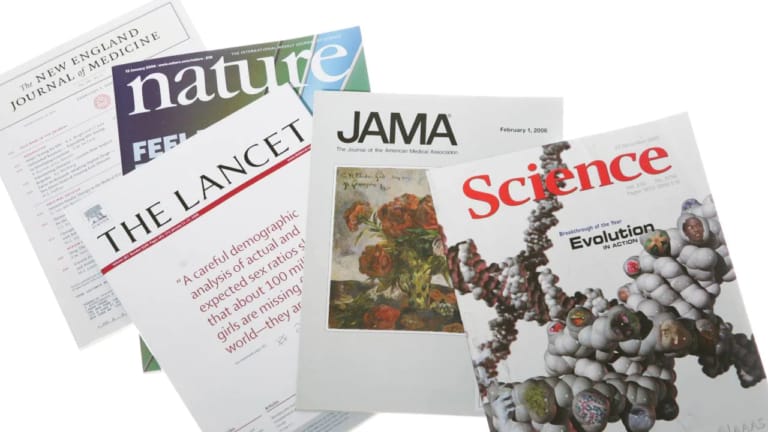
Understand the pivotal role that medical journals play for physicians: The ideal method of pharma-doctor engagement

Medical publications are often highly valued by doctors because they are essential to their professional practice and continuous education. The main source of new and up-to-date information on medical research, clinical trials, treatment recommendations, and developments in medical science is medical journals. Medical publications are valued by doctors for the following 10 reasons: Despite the high value of medical journals, it’s crucial to remember that not all publications are created equally. Doctors frequently place a higher priority on journals with strict peer-review procedures and recognized editorial boards since these elements help to ensure the accuracy and legitimacy of the information presented. In general, medical journals are an essential component of a doctor’s professional arsenal, assisting them in staying informed, making decisions based on the best available information, and giving their patients the best treatment possible.

7 SECRETS OF TOP PHARMA BRANDING AWARENESS

Brand awareness, used in marketing, refers to how well customers can name a product. Customers’ awareness of the brand should ideally include favorable opinions about the characteristics that set the product apart from its rivals. Promotion of a new product or reinvigoration of an established brand both needs building brand awareness. These are some points you can use to build brand awareness: It’s fine if your current branding efforts are aimed at a broad audience. However, you should segment your efforts so that you can target specific sections. This means you’ll continue to reach out to your entire audience base but in more targeted ways. Marketing segmentation is the process of breaking down your current consumer base into smaller subgroups. However, rather than demographics, you will segment them based on brand interactions and behaviors (such as age, gender, and location). Tracking tools like Google Analytics might assist you in doing this. You will be able to target each audience segment more specifically by being able to see how various audiences interact with your website and marketing initiatives. An important factor in generating organic traffic is search engines. In other words, a strong showing on search engine results pages (SERPs) can aid in bringing more relevant visitors to your website and raising brand recognition. In order to improve your SERP rankings, Search Engine Optimization (SEO) is necessary for this situation. It can be utilized on websites, social media accounts, and more. There are two forms of SEO that you should start thinking about. Which are: Even though SEO can be challenging to understand, especially if this is your first attempt at using it, the outcomes should be favorable for your company as a whole. One of the best channels for interacting with customers is social media, yet many businesses fail to take advantage of it. Social media marketing is essential for increasing brand recognition. You can enhance the experience of your present customers and enhance communication with potential consumers by prioritizing social customer interaction. Thankfully, there are several quick ways to do this: Combining these steps should increase customer interaction and your social media presence. Despite doing your best to convert website visitors, not all leads will go to the next stage. Remarketing campaigns enter the picture in this situation. In order to influence previously targeted audience members to convert, remarketing campaigns essentially connect with them. For instance, you could run ads on blogs and websites that you know your target demographic frequents. In an effort to get people to come back, these adverts can be made to appeal to individuals who didn’t convert on their first visit. You can then try to recoup all those previously unconverted audience members once you’ve created a solid remarketing campaign. Your conversion rates could go up as a result. One of the finest areas to explore when it comes to reaching out to your own audience is social media influencers or those with well-liked social media profiles and a specific demographic. After all, the “right” influencers frequently have a sizable amount of your desired audience’s attention. Find the most well-liked and frequently cited individuals and websites in your niche to start your search for these influencers. Then, try to make contact with them to start a dialogue. You’ll probably be able to find methods to assist each other if you place more emphasis on building relationships than just requesting favors. Impressive content creation for your personal blog is one thing. However, producing top-notch guest content will help you establish your brand and gain recognition when it comes to marketing. This entails giving detailed guidance throughout the article and responding to queries in the post’s comment section. Your brand will become known for its knowledge and desire to contribute to the community by guest posting on websites all across the internet. While influencers might assist you in connecting with your current target market, a brand relationship can introduce you to a completely different audience group. This way, you can even introduce your business to an untapped market. In a nutshell, a partnership is when two brands in related marketing sectors and product/service categories cooperate to boost sales and raise brand awareness for both parties. To further increase your reach, it is best to forge these relationships with firms that cater to a slightly different demographic. The fact that both parties benefit from these alliances is the best part. Therefore, once your brand is well-established, it may be rather simple to start up.

FIVE IDEAS FOR UTILIZING MEDICAL WHITE PAPER

1. Select Relevant White Paper Topics White papers are supposed to educate your target audience, therefore you must first decide if you are writing for your patients or colleagues. White papers have historically listed the advantages and attributes of a specific good or service. These days, they inform, educate, and naturally persuade readers curious about the subject. Your readers have particular interests and are looking for answers. These questions must be addressed in your white paper. Consider writing about topics such as: 2. Find and Apply Reliable Healthcare Industry Data Your white papers must include quality, proven evidence of your statement, claim, or findings, whether you conduct the research yourself or collaborate with a partner to collect relevant data. As a well-established hospital or medical practise, you must demonstrate to patients and distinguished colleagues that you are a reliable source of valuable healthcare industry information. Always cite your sources when using outside statistics or research. 3. Make use of high-quality, appealing images. Readers are unlikely to read every word of your white paper. In fact, according to one study, users only read half of the information on pages with 111 words or less. To combat this issue, turn data into infographics and use captivating imagery throughout your white paper to capture and keep readers’ attention. 4. Make Your White Paper Easy to Discover White papers are an excellent tool for marketing your hospital or medical practice. Make it easy for potential readers to find and access them. Set aside a section of your website for white papers and promote them through channels such as social media or email newsletters. 5. Don’t Turn Your White Paper into a Sales Pitch White papers can be used for marketing purposes but should not be used to sell your practice. Instead, use them to build rapport with your audience. The educational information you provide should be sufficient to persuade others to work with your practice and establish a long-term patient-doctor relationship. When you write your white paper as a sales pitch, you may send the wrong message to your readers.