THE NEW REALITY OF ESTABLISHING A CORPORATE BRAND IN THE PHARMACEUTICAL INDUSTRY
Introduction The global pandemic has raised everyone’s awareness of the importance of healthcare. During the rush to develop COVID-19 vaccines, an unexpected thing happened: The public view of the pharmaceutical industry improved – and pharmaceutical companies themselves began to become more well-known. Until businesses had their coronavirus vaccines licensed, the names of the companies behind the treatments were rarely known. Brand names Even if they have never been prescribed Viagra or Prozac, most individuals are aware of their uses. However, if you asked the same people who make such medicines, considerably fewer people would be able to respond with the right manufacturers’ company name. The reason for this is that the majority of pharmaceutical corporations have purposefully distanced their business name from specific drug brand names. The parent corporations behind the product brand portfolios have stayed anonymous. But times have changed. The global epidemic has raised everyone’s awareness of the importance of healthcare, and consumer expectations of businesses have shifted. This, combined with the rise of technology in pharma, raises the question of whether it’s time for pharma businesses to reconsider their corporate branding approach. Separartion is important One of the reasons pharmaceutical businesses split their corporate and product identities was to safeguard the corporate brand in the case of a product recall. In contrast to other industries, a product failure in the pharmaceutical industry can be disastrous. For example, when the weight-loss medicine Fen-phen was recalled in 1997 following a study that found patients had heart disease and lung difficulties, hundreds of lawsuits were filed by US users, resulting in the drug’s producer paying billions in damages. Over two decades later, claims are still being submitted and reimbursed. However, in this age of the internet, the case for keeping the corporate and product brands separate is fading. Everyone has easy access to knowledge, which is subsequently shared and discussed without regard for national borders, negating any previously imagined value of separation. And we’ve arrived at a period where marketing is driven by purpose. According to Deloitte Insight’s 2021 Global Marketing Trends study, understanding why you exist and who you serve is one of the most important components for organizations to succeed. It was discovered that 79% of worldwide consumers remembered occasions where brands responded favourably to the pandemic’s challenges by assisting their customers, employees, and communities. The face behind the name People want to know more about the firms that make the items they buy, and this information may affect their choice of brands. This isn’t limited to consumer brands; we’re seeing more B2B companies pursue consumers, including pharma, which is using modern marketing techniques to raise awareness and develop its business. Pharma businesses are increasingly following in the footsteps of FMCG behemoth P&G, which has championed elevating a corporate brand voice to talk directly to customers through marketing and communications. Last year, ‘Science Will Win’ advertisements were used to promote a corporate brand instead of the slots typically allocated for its goods. Attracting talent is another element influencing pharma businesses’ need to boost their corporate profiles. As medicine becomes increasingly tech-focused, leading corporations are finding themselves competing for talent with tech giants like Apple and Amazon. According to a Deloitte poll, developments in technology are one of the top five concerns that will have the largest influence on their organization over the next year for 68% of biopharma executives. This, combined with the fact that worldwide talent shortages have nearly doubled in the last decade, means that pharma businesses will have to work more to make their corporate brand appealing to potential new employees. The influence of COVID-19 on the pharmaceutical industry COVID-19, as noted at the outset, has had a significant impact on pharma businesses in the last year, emphasizing corporate branding. Pre- and post-COVID-19, the volume of pharma press tripled. The pharmaceutical industry received roughly 10,000 mentions in major news and business media worldwide in January 2020, compared to more than 30,000 mentions by December 2020. Moderna, a pharmaceutical and biotech company, was essentially unknown a year ago, but it is now a household name. Has anyone ever thought about – or inquired about – who makes their annual flu vaccine? Unlikely. However, as the COVID-19 vaccination becomes more widely available, friends and families throughout the world are debating whether they had the Pfizer or AstraZeneca vaccine when it was their turn. This has given corporate pharma companies the opportunity to speak with a broader audience and build relationships with customers in ways that were previously difficult. If other pharma businesses build on this trend, brand differentiation will be their next hurdle. There’s a lot of sameness’ in this category. The majority of brands have the same colours, graphics, and phrasing. The next step is for them to describe what they stand for, why they exist, and, most importantly, what sets them apart.


How to Create a Marketing Budget

Know your buyer’s journey The steps your audience takes on their way from prospect to becoming a paying client are referred to as the buyer’s journey. Knowing how your audience interacts with your marketing allows you to better determine where to put your goals and budget to better reach your customers. While defining your buyer’s journey, consider the following: This method should reveal which marketing tactics are working (and which aren’t), where your marketing goals should be adjusted, and where your marketing money should be focused. Align your marketing budget with your marketing objectives The amount you spend and where you spend will be determined by your goals. So, when you start planning your marketing budget, make sure you’re only spending money on items that are necessary by your current marketing goals – goals that are based on your target demographic and their journey from prospect to customer. Some examples are: The majority of the money you spend on sponsored advertising is usually quantified by the number of clicks or impressions. As a result, you’ll want to devote greater resources to campaigns with higher-volume offerings and audiences. For example, a tweet or Facebook ad advertising a top-of-the-funnel lead generation offer will likely attract more hits than something that is more in the middle or bottom of the funnel. The cost of paid advertising will vary based on the size of the audience you’re trying to attract. As an example, consider Twitter advertising. You can focus your campaigns based on the interests of your users or the phrases they looked for. Because interests are a considerably bigger area than keywords, and because fewer pockets of consumers search for each keyword, your interests-based audience will be significantly larger and demand a greater budget. Keep an eye out for hidden marketing expenses One of the biggest benefits of keeping a budget spreadsheet is that it helps you avoid that end-of-quarter or end-of-year panic attacks. Unexpected costs can cause marketers to spend money they didn’t intend to spend in many circumstances. A great example is product marketing. It’s easy to forget that marketing your products and services involves more than just advertising. People prefer to consider terms of product launches and promotional events when allocating funding for product marketing. That’s a big part of it, but another thing to keep in mind is allocating resources to perform research and message testing well before the product hits the market. It’s crucial to have talks with customers about the problems your product will eventually solve in order to shape the messaging and ensure a successful launch. Remind yourself of your priorities Add-ons and extra upsells, and “premium” versions abound in marketing. Organizing all of your spending is one of the finest methods to determine what’s pleasant to have against what’s truly necessary. It will be a lot easier to figure out what should get budgeted and what should be tossed to the curb if you keep track of where your budget is being allocated and cross-check that spending with the results you’re obtaining. Consider the field of public relations, for example. There are so many instruments to allocate budget to in PR that you could end up overspending where it doesn’t matter and underspending where it does. Tools exist to help PR practitioners not only develop and distribute amazing content and locate and target important stakeholders, but also to measure reach and performance. The trick is to be laser-focused on who you want to reach and impact, and then make sure your budget supports how they’ll most likely want to receive (and share) your critical messages. With the media and digital landscape changing at a breakneck pace, constantly revaluating the tools, services, and programs you’re using is a wonderful approach to evaluate the real-time ROI of your overall budget. Tomorrow’s measurement instrument may be useless to you. Use your money wisely Don’t worry if you can’t check every box when you open these budget templates and look at all the different expenses listed. We are not promoting a marketing strategy of “always spend more. We believe in the “always spend smart” philosophy. The expenditures indicated aren’t required; they’re only there to help you think about them and make sure you haven’t forgotten anything. Get ready to calculate the return on your investment As you plan out future budgets, you’ll want to see if your budgeting helped or hindered you when you placed a given amount of money into a particular area. Return on investment, or ROI, is the greatest way to do this. If the money you spend on one item generates more revenue for your organization, you may wish to increase your budget for the next year. You should check your budget if your money went nowhere.

How to Increase Doctors’ Pharma Brand Loyalty

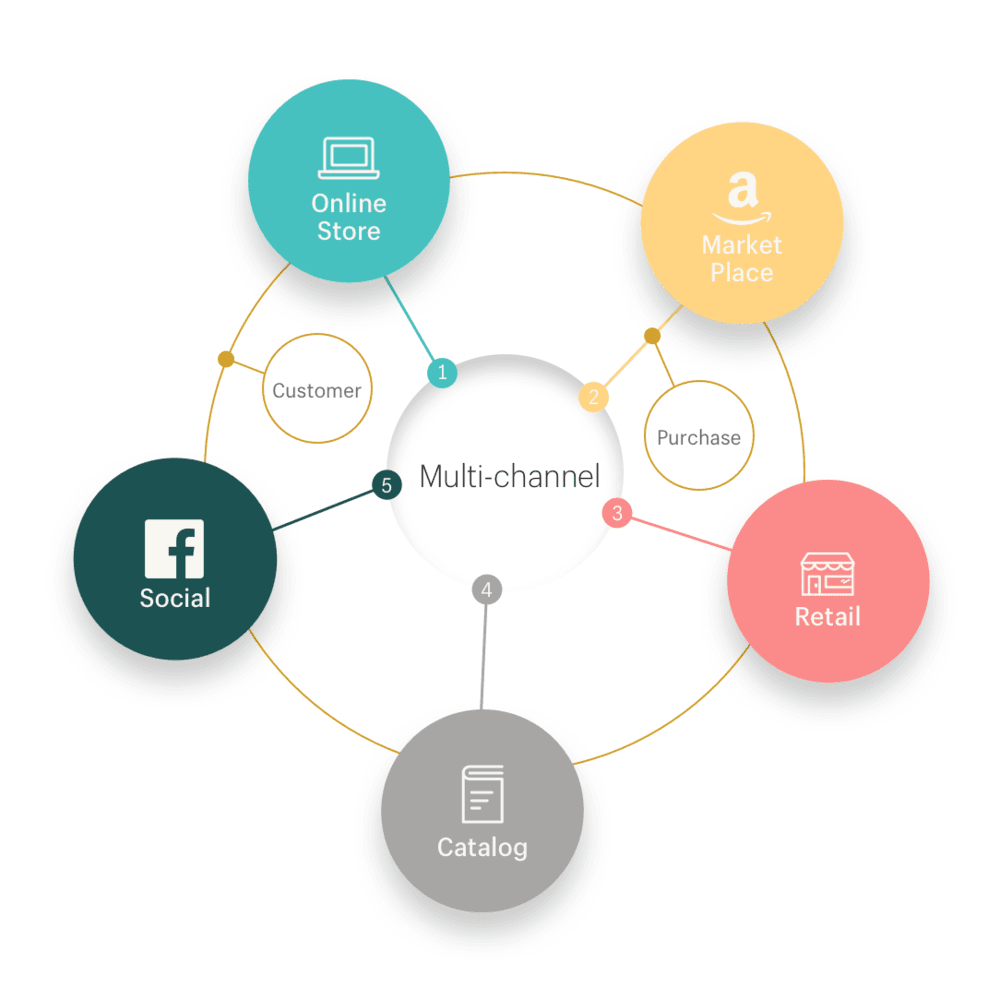
With pharma brands competing more fiercely than ever before, the battle for physicians’ loyalty has intensified. Increasing client retention rates by just 5% can increase earnings by up to 95%. In a competitive market, it is critical for pharmaceutical companies to build brand loyalty among prescribers in order to stay on physicians’ thoughts. Brand loyalty, on the other hand, is one of the most difficult components of pharmaceutical marketing. Loyalty programmes do not work in pharma. To begin with, physicians may be turned off by the amount of data collected about their conduct. Second, utilising incentives to increase prescription rates has shown to be a hit-or-miss tactic in the past, and it’s time to try something new. Beyond prescribing loyalty Pharma brand loyalty, when effectively built, can have far-reaching and long-lasting consequences beyond prescriptions. A physician who is committed to your brand becomes your finest brand representative. If a physician has had a number of positive interactions with your brand, they will actively promote it to the extent of connecting their reputation with its ideals. All pharmaceutical companies should strive toward this as their ultimate goal. How can you increase pharma brand loyalty? Describe the drug’s research. According to one study, scientific literature is the primary rationale for prescribing medicine for 85% of surveyed physicians. Furthermore, clinical trial results are the first source of knowledge regarding a new treatment for 46% of physicians. Sales reps were the second most popular source, with 30% of HCPs acquiring their prescription information from sales rep calls. With these facts in mind, the necessity of properly informing HCPs cannot be overstated. Physicians should have easy access to the most recent research and clinical trials, which should be distributed through all company channels. During sales calls, sales staff should give objective information from periodicals, allowing HCPs to make a rational, informed decisions. Once such a practice is established, HCPs will regard your brand as a valued source of scientific information rather than someone who is constantly ready to sell. Make a mental shift among salespeople. Salespeople are still an important part of pharma marketing, despite their numbers dropping year after year. The problem, though, is in the word — sales reps. Reps should focus on providing a service rather than selling to develop meaningful connections and loyalty with physicians. Reps should converse with HCPs rather than with them. Reps can assist identify gaps in the present approach by carefully listening to physicians’ requirements. One of the most successful ways to communicate with physicians is through sales representatives. Unfortunately, many pharmaceutical companies underutilize their sales team, to the point where physicians only spend minutes with reps. As much as possible, use multi-channel. How many physician touchpoints does your brand now have? Even if your efforts are successful, you’re doing yourself a disservice if you’re still fixated on one channel (email, for example). Today’s doctors are more digitally present than ever before, and using just one channel isn’t enough to stay top of mind – you need to go multi-channel. Pharma companies must contact with HCPs through numerous channels in order to maintain continual engagement. Websites, emails, sales representative calls, webinars, webinars, conferences… Whatever it is, it must be completed. Instead of advertising the product, the messages should be consistent and provide helpful information to medical experts. In order to give a better experience, you must also use these channels to actively listen to physicians and identify their problem spots. When brand loyalty breaks out Your brand’s ardent fans may change their minds and quit prescribing your product. Instead of being concerned, you might investigate the problem and attempt to resolve it. Some of the reasons why doctors switch to competing brands are listed below. In the best-case scenario, new, related medications were released. This will happen, and the only way to avoid it is to objectively portray your drug’s strongest aspects. Negative feedback from KOLs and peers is the second cause. Unfortunately, this one is considerably more difficult to correct. finally, poor patient treatment outcomes are another cause for brand loyalty. Establishing pharma brand loyalty should be the ultimate long-term goal for pharma companies as a marketing strategy. In markets where branded pharmaceuticals dominate major segments of the market, it’s more vital than ever to build strong relationships with HCPs and deliver value in exchange for loyalty. Do you require assistance in developing your pharmaceutical brand marketing strategy? Our team of devoted professionals has worked with more than 20 global pharmaceutical companies. If you’d like to learn more about what we can do for you, please contact us.

What is the best way to develop an effective pharmaceutical marketing strategy?

Graphic listing '5 Marketing Mistakes' with a laptop, skeleton hands, and Halloween-themed elements. Mistakes include audience neglect, inconsistent branding, and more.

To find the best method for your pharma brand, combine opportunity, strategy, and action. For many of us, especially those in the pharmaceutical industry, the last 18 months have been a rollercoaster ride. The COVID-19 pandemic has had an impact on how pharmaceutical companies advertise and distribute their products: customers are becoming more informed and proactive, while businesses must adapt to an increasingly digital world. All of this has occurred against the backdrop of broader developments that KPMG believes will have a substantial influence on revenues, business models, and operational models: As a result of these many shifts, firms should assess their digital communications and value delivery. Brands in the pharmaceutical industry must continue to innovate and improve their online experiences and consumer interaction messages. To compete in 2022, it will be critical to have a clear, logical, and integrated marketing plan. But why is having a marketing strategy so important? To help illustrate why, I’ve highlighted some of the major features from Smart Insights’ marketing strategy definition below. For pharmaceutical and healthcare organizations wishing to establish their marketing strategies, Smart Insights has a variety of strategic marketing guidelines, resources, and templates. Marketers and managers must employ a data-driven, customer-focused approach to strategy and planning to win in pharma marketing today. We’ll look at some of the essential measures you can take to establish a pharma marketing plan that will help you succeed in 2022 in this piece. In the pharmaceutical industry, there are a few key trends to keep an eye on. Although many strategic marketing models, frameworks, and strategies may be used to businesses in a variety of industries, we must first recognize the main pharma trends that will guide your marketing approach. 1. The COVID-19 pandemic’s impact on content marketing While the pandemic is undoubtedly the most important trend affecting the pharmaceutical industry, it’s worth considering how it has changed marketing. Many pharmaceutical companies have been forced to go online as a result of the pandemic, giving them new ways to communicate with clients. This has given pharmaceutical companies the ability to generate information for both HCPs and patients, and distribute it through various platforms. It’s more critical than ever to have a comprehensive understanding of the customer/patient information journey and how to connect with them at various stages: 2. Healthcare is becoming more consumer driven Pharmaceutical customers deserve the same level of service in healthcare as they do in other industries. We now have access to new information and levels of service that were not available 10-15 years ago because to the emergence of tech companies like Amazon, Netflix, and Facebook. This has altered our expectations of other businesses, implying that marketers must plan their campaigns with the customer in mind. 3. Increasing customer engagement Because of the pharma industry’s competitiveness and the consumerization of healthcare, it’s critical to engage and retain healthcare clients. This trend necessitates pharma businesses reviewing and investing in platforms that can help them develop a consistent view of the consumer across multiple touchpoints, such as targeting, segmentation, and performance management: Develop a successful pharmaceutical marketing plan. PR Smith’s SOSTAC® planning framework is one of the best tools for designing a marketing strategy: Knowing where to begin is frequently a major impediment to developing an effective marketing strategy. SOSTAC® (Situation, Objectives, Strategy, Tactics, Action, and Control) offers marketers with six simple phases and a structure that is easy to remember and explain to others, as well as covering all of the stages required to build and implement a marketing plan. Despite its popularity, Smart Insights has discovered flaws in SOSTAC®. Because of these constraints, a simpler version of SOSTAC® was developed: OSA (Opportunity, Strategy, and Action): Marketers may focus on just three phases with this approach and convey their marketing strategy more readily with colleagues and clients. Using the Opportunity > Strategy > Action framework to develop your marketing strategy For pharmaceutical marketing executives wishing to assess and reinforce their marketing strategy, Opportunity, Strategy, Action is a great place to start. Marketers may adapt and react to internal and external elements influencing their customers’ lifecycles with this easy three-step approach. Let’s look at each part of the OSA framework with some examples of how it may be used to construct an effective pharmaceutical marketing strategy to help bring this to life. Opportunity This stage involves examining your data and defining future goals to assess the present contribution of marketing channels. The consumerization of healthcare will provide you a broad overview of the existing situation and point you in the right direction for additional research. People’s ability to influence and control their medical and wellness care is here to stay, and it’s just going to get bigger: As healthcare becomes more consumerized, providers will have the potential to develop strategies and market offers that meet customers’ requirements and preferences while completely engaging them in an end-to-end customer experience.  Consider the following scenarios with this previous knowledge in mind: Strategy You must create a strategy for how you will get there and which tactics you will employ for client acquisition (Reach), conversion (Act and Convert), and customer retention/loyalty once you have a clear understanding of what you want to achieve (objectives) (Engage). Your strategy will be shaped by the goal you set in the first stage. For example, if you’re creating a new product, you could want to concentrate on Reach to raise brand awareness and expand your audience. If you’re already established, you might like to concentrate on Act to encourage interaction, subscribers, and leads. The following are the main steps to consider at this stage: Action Finally, you’ll need to figure out how your team will carry out the strategy and how you’ll track and measure progress. You’ll turn your goals and strategy into an action plan in this stage. Smart Insights’ Content Marketing Blueprint provides a structure and methodology for creating a content marketing programme if your pharma strategy is going to take a particularly content-oriented approach to inform and engage … Read more

5 KEY SOCIAL MEDIA MARKETING STRATEGIES FOR PHARMA

You may boost your pharma social media marketing and strengthen your business by following these techniques. The coronavirus epidemic hit the world in 2020, and everything altered in an instant. Due to the economic downturn, several firms had to close their doors. The pharmaceutical business, on the other hand, is operating at full capacity. The pharma market is expected to be fiercely competitive in 2021 due to a rise in the number of people who require medication. 1. ENSURE SAFETY Because everyone is adhering to the social distance norms and attempting to avoid going out, it is critical to stress the significance of keeping safe. Make use of social media to promote safety and make people feel safe. Explain how various pharmaceutical products affect the current condition and aid in the fight against infection. Additionally, change your focus to promoting vitamins and other treatments that can help us strengthen our immune systems. 2. ADD MORE SOCIAL MEDIA CHANNELS TO YOUR MARKETING CAMPAIGN If you’ve only ever used Facebook or Instagram, now is the time to branch out and create accounts on other social networking platforms. The greater the number, the better. However, this will increase your staff’s task, so make sure you have enough people to cover it. The ideal option is to allocate employees to handle social media promotion. You’ll be extending your reach and attracting more people to your website as a result. 3. MAKE IMPROVEMENTS TO YOUR WEBSITE This may not appear to be a social media strategy at first glance. It is, however, an important component of a broader puzzle. More people will get interested in your business as you become more active on social media, and the first thing they will do is visit your website. It will not make a positive first impression if it does not appear appealing or provides insufficient information. As a result, anything you promote on social media must also be available on your promotional website pages, which you should update daily or monthly. Reworking your website and ensuring that it is frequently updated, on the other hand, takes a lot of effort and money. Hiring professional help, such as from wpfullcare.com, allows you to delegate some jobs and focus on the more critical ones. 4. USE SOCIAL MEDIA TO PROVIDE CUSTOMER SUPPORT AND ASK QUESTIONS People are scared and have a lot of questions when there is a medical emergency like COVID-19. Creating a social media-based customer service team is an excellent way to assist your clients.  You can provide helpful advice, prescribe medication, and even promote cheaper prices through Q&A sessions. This method of communication will not only help you raise your earnings, but it will also help you develop a stronger relationship with your clients. Each of them gets to know you, and you get to know them. Another advantage is that you are marketing your company as one that is not just concerned with earning a profit but also in really assisting people. In a moment of crisis, all pharmaceutical businesses must band together to establish a safe community for everybody. 5. COLLABORATE WITH A PROFESSIONAL SOCIAL MEDIA AGENCY Many businesses overlook this option as a strategy. Anyone can create a social media account, comment on other people’s posts, and contact with customers. Having a professional social media marketing agency with a proven track record, on the other hand, brings a lot to the table. First and foremost, they have extensive experience managing social media outlets. There are numerous tried and true techniques for the pharmaceutical industry, but there are also others that aren’t worth pursuing. You won’t have to figure out which is which if you have a professional on your side. Second, a social media marketing business has a team of experienced content writers who understand your requirements. They’ll write high-quality articles and blog entries and make sure your SEO is in good shape. Another benefit of dealing with professionals is that they can keep track of any changes in your accounts and respond promptly if daily or weekly visits reduce. Running a social media channel is a 24-hour business, therefore you’ll need their help unless you have individuals who can be available at all times. As a result, they will assist your company in achieving its objectives and gaining more exposure. ENHANCE PHARMA SOCIAL MEDIA MARKETING WITH THE BEST PRACTICES Let’s speak about some best practices for pharma social media marketing as a bonus. The best approach to running social media platforms is to do it well. One of the objectives should be to focus equally on B2C and B2B business models. It’s a good idea to look for collaborations. Then consider the promotions you’re running. If you want to market your business through social media, discounted pricing is the greatest way to go. Companies are seeking any way to save money on medicine purchases, and they will gladly order products at a reduced cost. Finally, as previously said, managing social media networks is a full-time job that demands continual attention. Allow no time for your customers to wait. If you have any issues, questions, or difficulties, address them as quickly as possible. EXPLAINED: 5 KEY STRATEGIES TO IMPROVE PHARMA SOCIAL MEDIA MARKETING Let’s conduct a brief recap to get a more in-depth look at the greatest social media marketing strategies: You will be able to increase your pharma social media marketing and, as a result, strengthen your business if you follow these ideas!

5 Ways To Make Your Pharma Sales Calls More Effective

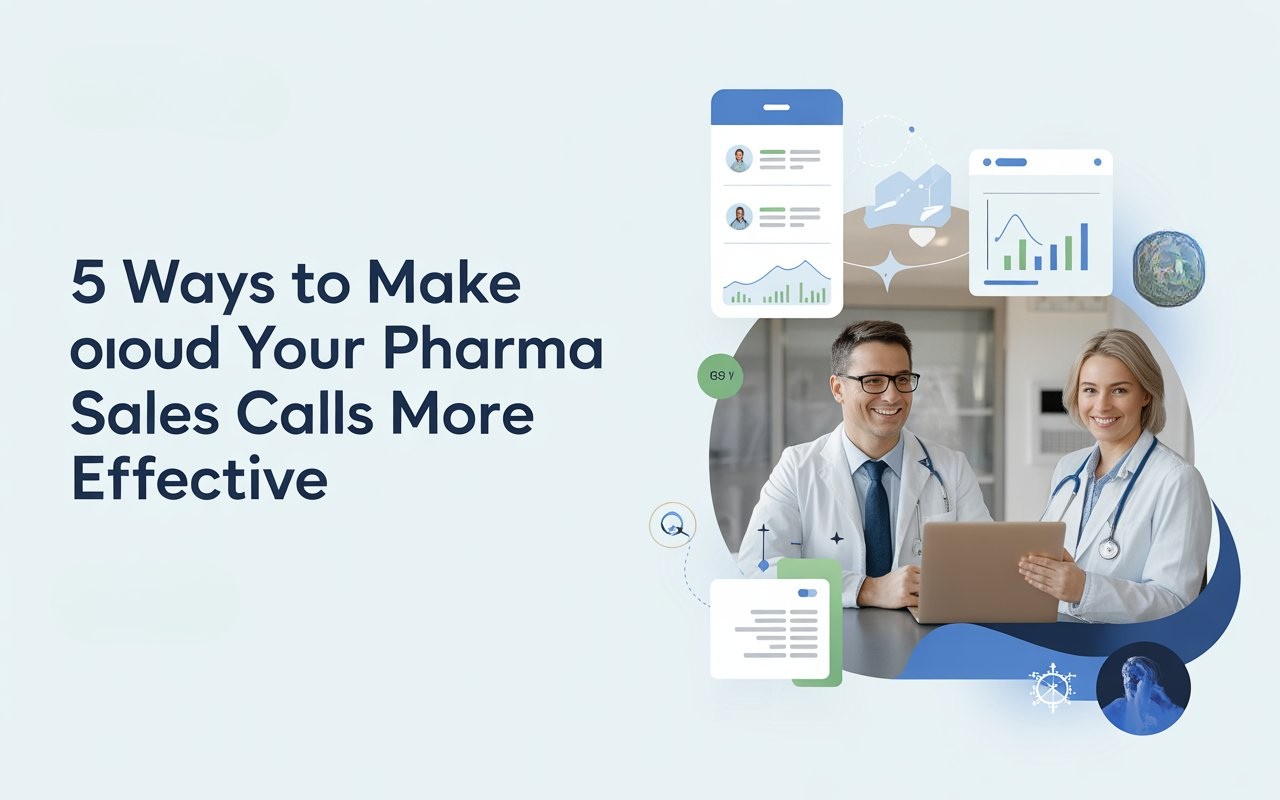
Image showing two doctors smiling while working with a laptop, surrounded by icons representing data and technology. Text: '5 Ways to Make Your Pharma Sales Calls More Effective

1. Make Calls in Advance and Use Reports Pre-call preparation is frequently neglected. Salespeople usually underestimate its significance and the enormous competitive advantage it can provide. The amount of time you spend in front of customers is extremely valuable and restricted. Companies who want to compete in this competitive market must make sure that their salespeople are well-prepared to maximise every customer engagement. Entering a drug sales conference unprepared leads in disaster and, of course, a loss of opportunity. To make the most of the 1-3 minutes they may have with their consumers, pharmaceutical sales agents must prepare, think, and act quickly. It’s not always about who can reach the finish line first, so train your crew to resist the urge to race out of the car. Explain the power of drug pre-call planning and the steps they must take to achieve this important skill. Using reports is the most efficient technique to achieve excellent pre-call planning. Ensure that your sales staff have access to high-quality reports to aid in their awareness of trends and physician preferences in relation to the therapeutic classes of your goods. It might be a game-changer to have up-to-date reports easily available to your sales teams. That, and more, is what cutting-edge pharma analytics and data management solutions are built to do. Choose a platform that allows you to generate real-time results that can be accessed from any location at any time. 2. Personalize Your Approach To The Customer Approaching prescribers incorrectly might have a negative impact on the success of medical rep sales calls. When pressed for time, novice and sometimes veteran sales reps make the classic mistake of data dumping. Rather than presenting prefabricated presentations that are likely to be of little or no benefit to the client, it is critical to learn how to create a relationship with the consumer in order to help put them at ease. Genuine interest in the practise and the difficulties that the doctors confront on a daily basis can help your sales team stand out from the crowd! 3. Provide new information to the customer that they don’t already have. Only a few things upset doctors more than hearing the same old facts over and over. While pharma sales people understand physicians’ desire to hear about new developments and blockbuster treatments, many believe this expectation is unrealistic. Encourage your reps to bring a sense of newness by presenting a new aspect or highlighting a unique point in a previously presented clinical study, even though blockbuster pharmaceuticals don’t come along every day. Take advantage of the extra attention your team receives from consumers during product launches, as doctors are often more interested in learning about new developments. Also, ensure that your sales team has access to the most up-to-date information and that it can be delivered in an appealing manner. Audiovisuals, such as videos, have been found to help people remember more information. So, use technology to improve client engagement and satisfaction! 4. Sell with the patient in the forefront of your mind Pharma sales agents who succeed are adept at communicating that they care more about patients than making a transaction. Reps that are prepared to go above and above and demonstrate their dedication to their customers are generally valued more. Many doctors place a great emphasis on assisting doctors in empowering their patients and increasing patient compliance. Teach your salespeople to consider all of the ways they may add value to their customers’ practises and patients. One of the numerous ways is to provide patient education materials. 5. Take advantage of cutting-edge technology The truth is that using technology in pharmaceutical sales is not a novel concept. Many large and small commercial pharma organisations have had tablets, iPads, and other technological innovations available to their sales personnel. However, even when technology is used, it is not always utilised to its full capacity. A successful sales call entails presenting the necessary information, in the perfect format, and at the appropriate moment. On a reprint, it’s no longer enough to offer old facts. By making the presentation more fascinating, technology can elevate it to the next level. Showing a 90-second to 2-minute video, for example, is an effective approach to engage doctors and potentially extend the call’s duration. Improving the effectiveness and efficiency of your pharmaceutical sales call strategy is critical to commercial success.

How to leverage multi-touch marketing attribution in healthcare

A healthcare professional interacting with a digital marketing dashboard, displaying various data points and icons representing multi-touch attribution in healthcare

How To Put Multi-Touch Attribution Into Practice Multi-touch attribution is a marketing measuring technique that assesses the impact of each touchpoint in driving a conversion, consequently estimating the value of that touchpoint. Setting up multi-touch attribution might be difficult. That’s not to say you shouldn’t get started; the sooner you do, the sooner you can start optimising your attribution strategy. Marketers who want to use multi-touch attribution models should follow the steps below for the best results: Step 1: Determine the models and key performance indicators (KPIs). Marketers must choose various attribution models to use based on their organization’s objectives. Considerations such as the length of the sales cycle and the sorts of campaigns should be taken into account while selecting models. The next step is for marketers to choose their KPIs. These will be the benchmarks against which success and failure will be measured. Marketers who utilise MTA are usually attempting to enhance ROI and user experience, therefore these KPIs must represent what this entails for the unique company. Step 2: Form a workgroup Following that, marketing teams must coordinate with important members of the team and stakeholders. Of course, this will need working with professional marketing analysts, as well as budget stakeholders and creative teams, to optimise messaging based on data. Step 3: Put marketing analytics software to work When working with numerous complex attribution models, powerful analytics software is required to normalise and correlate the data into easy-to-understand metrics from which insights can be drawn. This platform should provide comprehensive data at the individual level, as well as other insights into the motivation for conversions, such as brand equity or effective creative. Step 4: Put what you’ve learned to work for you Marketers that believe they have a thorough picture of how their campaign performed based on the data provided by their attribution model can use those insights in real-time to start course-correcting, allowing them to create a more personalised experience. Step 5: Keep optimising and testing This isn’t supposed to be a one-time thing. Rather, marketers should be examining their MTA data on a regular basis in order to refine and test strategies. Marketers will be able to determine the optimal techniques and marketing sequences to reach their customers at the correct moment through regular optimizations and tests. Multi-Touch Attribution’s Challenges While multi-touch attribution models provide more information than traditional marketing metrics, they aren’t without flaws. There are a few major hurdles that marketers must overcome as they strive to perfect their attribution measurements. 1.     Offline Metrics Aren’t Available Because it measures customer activities, MTA is commonly utilised in campaigns that use digital marketing platforms (clicks, etc). Offline data, such as exposure to a TV or print ad, is difficult to add into these models because of this. These, on the other hand, can be critical components of the customer journey. 2.     Data Manipulation None of these models can provide you a complete picture of the client journey. As a result, marketers will need to use a variety of models and then correlate the data from each to get the most accurate results. The sheer volume of data and the complexity of the models provide a problem, with many marketing analysts spending more time gathering this data into a usable format than generating significant insights. The requirement to use various attribution models adds to the difficulty. 3.     External Factors Have Limited Visibility Unlike media mix modelling, which examines aggregate data, MTA examines user-level information. Marketers do not have visibility into external factors that may effect marketing efforts and conversions, such as seasonality, unless they incorporate aggregate data. Multi-touch attribution models are important, yet they are insufficient on their own. This is why marketers should use a single marketing measuring system. Unified measurement combines MTA’s person-level data with media mix modeling’s aggregate data to provide a holistic view of marketing interactions and trends.

3 KNOW-HOWS FOR BECOMING A GOOD MEDICAL SALES REPRESENTATIVE

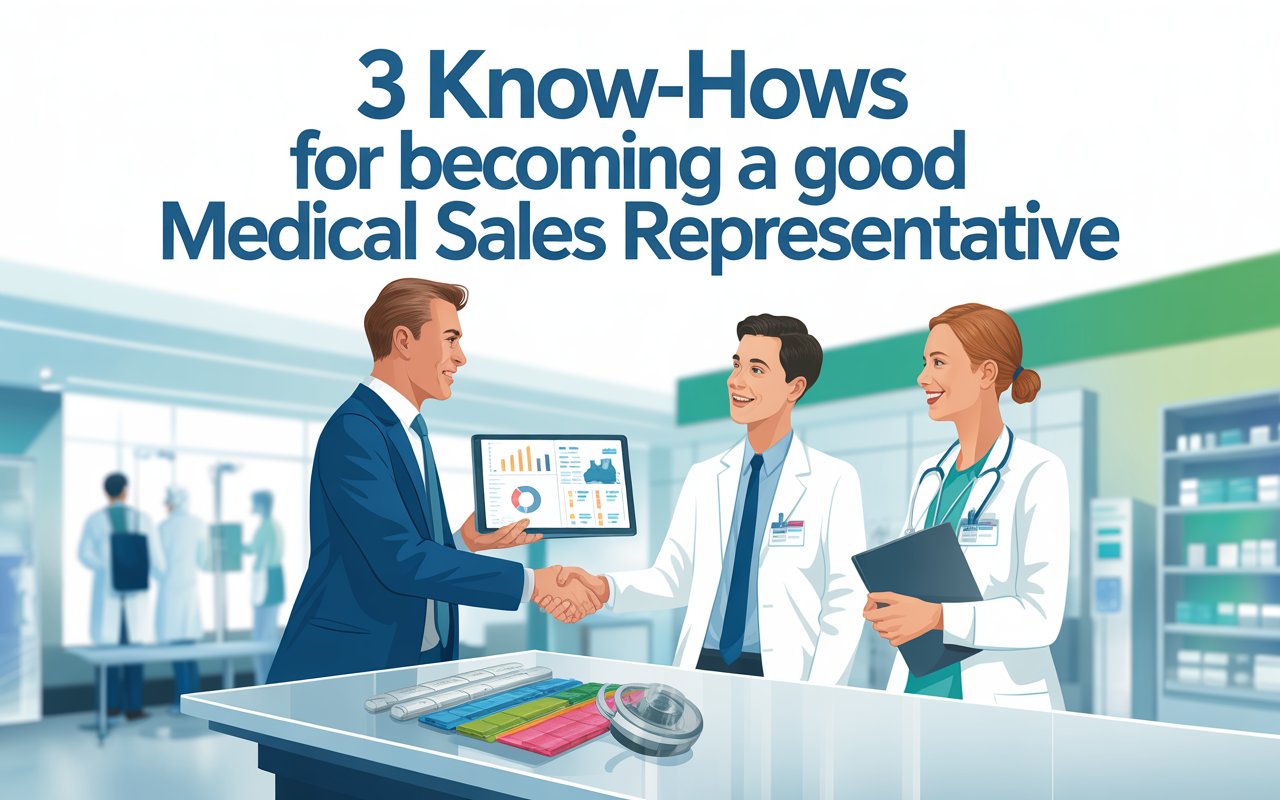
Illustration of a medical sales representative shaking hands with healthcare professionals while presenting a tablet with data charts. The background features a medical setting with shelves of products

You’ll be the vital link between medical and pharmaceutical firms and healthcare providers as a Medical Sales Representative. General practitioners (GPs), hospital doctors, pharmacists, practise managers, nurses, dentists, and veterinary surgeons are just a few of the people you’ll meet. You’ll position and differentiate your items – which might include prescription pharmaceuticals, drugstore or OTC brands, wound care, nutrition, diagnostics, or vaccines – from the competition by using your sales, negotiation, and disease/therapy experience. You’ll learn about the customer’s wants and then market the relevant benefits of your products to get them to commit to changing their prescription behaviours. Medical sales representatives serve as a vital link between pharmaceutical and medical corporations and healthcare providers. One of the numerous motivations to engage in medical sales is the opportunity to assist in the delivery of treatments and medical devices that enhance or save patients’ lives. It goes without saying that a strong work ethic and excellent sales abilities are required to be a successful medical sales representative. However, there’s a lot more to it. To make a name for yourself in the field, you’ll need to gain the respect of your clients and co-workers, as well as demonstrate a willingness to learn and grow. Here are three tips to help you become a successful medical sales rep if you want to make a difference: The key to a successful medical sales representative career is to improve relationships with both new and existing clients. Clients will be hyperaware of whether you keep your commitments, respect them, and make them feel valued in the early phases of a relationship. Positive relationships, according to the Harvard Business Review, are one of the fundamental characteristics needed to develop trust, along with consistency and excellent judgement. Consistency entails being dependable and maintaining current client relationships. Maintain open lines of communication, be dependable, and respond to your client promptly, even if you don’t have an answer. In the medical sales industry, having sales abilities and the capacity to create strong relationships isn’t enough. The ability to understand the product at the same level as your client will offer you an advantage. Because products are created to treat specific medical issues, they can be quite complicated. As a result, you must be aware of the benefits and drawbacks, as well as be prepared to respond to any medical queries that professionals may pose. You should also be well-versed on reimbursement and illness states, as well as be aware of the industry’s significant developments. The number of employees seeking performance feedback has climbed by 89 percent in the last two years. Why? Because feedback is necessary for progress, whether it is positive or negative. Positive client feedback provides insight into the client’s priorities. If they say anything positive about your quick response time and ability to get to the root of the problem, you’ve just disclosed one of your greatest assets. If you’re goal-oriented, like the majority of medical sales people, you’ll enjoy receiving constructive criticism. You’ll have something to work on and improve as a result of this. In more ways than one, technology is revolutionising the sales process. It’s transforming the world around us, in fact. The most valuable resource on the planet is no longer oil, but data. So, how can statistics help you become a more effective medical salesperson? Begin by considering what data you might be able to acquire and how you might be able to obtain insight from it. This may include keeping track of how many clients you speak with each month, your success rate when pursuing new leads versus referrals, or the amount of time you spend on the phone with a customer. Combine your data to form a larger picture of your sales process, allowing you to understand where you’re succeeding and where you need to improve.

How to communicate medical insights effectively?

Introduction Even though, prima facie, the purpose of medical affairs is to develop and maintain external relationships effectively,  medical affairs even refers to building credibility and partnerships with critical healthcare decision-makers. These days organizations are developing a strategic approach for generating compelling medical insights that bring profitable future opportunities. The definition of an “insight” is inconsistent as per the medical affairs function. A medical insight can take many forms, including sentiment, individual perceptions, data points, and trends within healthcare. Medical Science Liaisons (MSLs) fulfill the role of delivering medical insights to any medical or pharmaceutical company. They work throughout a product’s lifecycle, ensuring that the products are utilized effectively, are served as scientific peers and resources within the medical community, and are scientific experts to internal colleagues at companies. However, MSLs gather insights during their interactions with Key Opinion Leaders (KOLs), the leading physicians, and other stakeholders at the company and communicate their findings internally to drive optimum decision-making. An MSL team’s strategic advantage is building essential relationships that grow progressively deeper, improving the quality and potential impact an insight may provide over time. But, many MSLs struggle to understand the difference between an insight and information shared by a KOL. As a result, their communication is ineffective. Hence, the strategic decision-making is not actionable, failing to help with the medical strategy. Thus, breaking the bridge between commercial and clinical stakeholders. Steps for effective communication of Medical Insights To effectively communicate medical insights, the following things should be taken care of : 1. Prioritization Only utilize valuable insights, which tend to be new, forward-looking, actionable, and helpful in making decisions. While gathering information, MSL must ensure to curate only relevant and valuable information, such as: 2. Ask yourself about “PAL- Purpose, Audience, and Logistics.” Purpose – Always consider what you want the reader or listener to know, feel, or do when they receive this information. Key Question- What is your purpose in sharing the insight, and how do you expect the information to be used? Audience – You must know the target audience for these insights. Key Question- Logistics – You must know beforehand what methods will you use to share the information, and is it compatible with the company? Do they want it via insight sharing platform or conference call, or email? Remember, once you have determined all of the three, write down your overall objective. In other words, begin with the end in mind. 3. How to frame the insight? Use the following framework for best results- Circumstance – Keep your introduction short, but be sure to include the people, time, and place of the insight. Action – What happened? Was there a positive or negative experience, a new idea, a theme that you noticed from multiple interactions? Result – What is the result of the experience? What are the next steps? Is a response needed? 4. Create a mechanism for MSLs to elevate the urgent insights When an MSL discovers a critical understanding that the organization should act on immediately, the insight needs to get to the correct internal stakeholder directly; else, there would be a lag if it goes into a reporting cycle. Ensure that the MSL identifies what is urgent and shares it on a high-priority basis. Here are some ways you can choose to share urgent insights: 5. Industry Benchmarking and Competitive Analysis To stand out, position yourself relative to the behavior of your key competitors. Key questions include:

Insights To Pharma Marketing Success For Stronger Brand Value And Sales

Introduction to analytics based marketing New or improved products are not the major driving force of more pharma revenue. As such, successful marketing should be the top priority for all major pharma companies, and they should spend more on marketing than they do on research and development. Branding is the only way to differentiate companies from each other. Pharma companies have a tendency to focus their marketing efforts towards targeted physicians instead of the actual consumer. However, the key to growth is more closely associated with understanding and identifying customer needs, and finding solutions to meet these needs. Most pharma marketing deliverables are more or less the same so how do they stand out? The answer is – Analytics based marketing. Measuring data is now an important element for effective marketing. Marketing analytics metrics should include many factors including sales, costs and profits. Branding is important but data analytics are needed to measure success and analytical decision-making can save both time and money for pharma companies. Two prong marketing: Doctors and Patients Pharma marketers always target two audiences – patients and doctors. Doctors hold the key to consumer sales and establishing a relationship with them is a good way to reach and communicate with a much wider audience. Consumers will consult their local doctor before purchasing a pharma device or prescription of some kind. and are much more likely to buy after recommendation from their doctor. Therefore, marketing to doctors is beneficial and different strategies are needed to address both doctors and patients. Marketing to patients Most patients now use online search engines to find information or solutions and therefore, marketing to patients is about identifying individual needs and creating an experience that is efficient and valuable to meet their needs. Creating this patient experience relies heavily on strong search engine optimization and user experience. Companies that provide clear and efficient solutions to their search queries, will inevitably experience sales and revenue. For example, if a pharma company markets a drug or treatment for depression, they should directly target the end-user through search engine optimization and content marketing. Marketing to doctors Marketing to doctors requires identifying the professionals needs and providing well-researched solutions in a creative way through tactical media placement. This is not cheap since competition and investment is high. The three most important considerations for marketing to doctors are: 7 expertise pointers that led to this success case study