Creative Leave Behind Literatures (LBLs) That 9 X Doctor Engagement

Leave Behind Literatures (LBLs) serves as a powerful tool that allows pharmaceutical marketers to provide tangible resources for doctors to refer to. Here are 9 innovative LBL ideas that enhance engagement with healthcare professionals. By embracing these highly specialized and innovative approaches, pharmaceutical companies can not only engage physicians on a deeper level but also demonstrate their commitment to advancing patient care through the integration of cutting-edge technology and personalized medicine. At eMediWrite, we’re incredibly passionate about creating stunning and engaging LBLs which can help pharma marketers stand out from the competition. If you’d like to know more about how we can help you market your pharma products, drop us a line, we’d love to talk about your projects.

How to choose the ideal KOLs for pharmaceutical marketing

Introduction Bringing your medications to market and establishing trust can be challenging processes. Healthcare professionals (HCPs) with substantial knowledge in particular therapeutic areas (TAs) of the pharmaceutical sector are known as key opinion leaders (KOLs) in the industry. Pharma companies need recommendations from professionals and word-of-mouth advertising. KOLs in the pharmaceutical industry are crucial in this situation. KOLs are primarily independent scientific and medical professionals who advise pharmaceutical firms on a variety of tasks, from pre-clinical and clinical stages of drug development research to clinical trials, regulatory approval, and product launch. KOL engagement helps pharmaceutical companies with new product development, data collection, strategy improvement, and creation of pertinent, reliable, and persuasive marketing messaging. KOLs in pharma: Benefits KOLs’ function in pharmaceutical market research Pharmaceutical companies look for KOLs with experience and expertise in their target therapeutic areas (TAs) to assist them with patient recruitment for clinical trials and data analysis. KOLs are crucial when it comes to spreading knowledge about new medications and treatments. In the medical community, they also give emerging treatments credence. A KOL can also instruct doctors on the physiological effects of a given medication and the types of patients who will benefit from it the most. Additionally, they can share information on treatment plans and describe their own firsthand knowledge of the therapies. Making a KOL engagement plan is therefore essential for brand acceptability in the pharmaceutical sector. The significance of KOL engagement KOL engagement, also known as KOL management, includes the full life cycle of selecting, evaluating, and working with the right KOLs in accordance with business objectives. It also includes planning research and marketing activities that involve them. KOL relationships should be based on trust and a shared desire for long-term cooperation. KOL engagement experiences an early rise, a plateau, and a gradual decline in involvement throughout the same lifecycle as the company’s products. Before recommending the best engagement strategy, pharma companies must ask pertinent questions to determine whether a particular KOL’s current work is in line with the company’s scientific and business goals. Choosing the best KOLs for your organization It is crucial to appropriately assess a KOL’s relative influence and TA proficiency. The following criteria can be used to assess a KOL’s strength based on their level of involvement, brand adoption, and influence behaviors: Learn how pharmaceutical companies utilized eMediWrite to partner with KOLs in their target TAs to create a panel of national experts across the country. Strong KOL management plans are essential for pharma companies in order to handle the shifting dynamics of KOLs in pharma.  An early KOL endorsement can generate a lot of attention in the industry and increase the efficacy of a breakthrough medication. But for pharmaceutical companies, finding, keeping, and managing KOLs has never been an easy task. Why and how eMediWrite can be useful Any KOL management procedure should be backed by thorough and reliable data sources. Additionally, the data is useless unless the right filters and analytics are applied to produce insightful results. As a result, businesses frequently turn to companies like eMediWrite. Global businesses can access full-service pharmaceutical market research services from eMediWrite in a variety of therapeutic areas. We combine local knowledge with deep insight from rigorously verified KOLs, including doctors, nurses, allied healthcare professionals, administrators, thought leaders, and payers. Contact us right away to learn more about how we can assist you.

Regulatory Compliance: Ensuring that pharmaceutical products meet all regulatory requirements and guidelines, including safety, efficacy, labelling, and post-marketing surveillance

From the examination of raw materials through the release of the finished packaged product, Quality Control Authorities like Central Drugs Standard Control Organisation in India established under the Drugs & Cosmetics Act, 1940. Central Drugs Standard Control Organisation (earlier known as Drugs Controller General of India) are essential to the pharmaceutical production process. They play a crucial role in assuring the efficacy and safety of products given to patients. The CDSCO headquarters conduct regulatory supervision over drug importation, approval of new pharmaceuticals and clinical trials, meetings of the Drugs Consultative Committee (DCC) and Drugs Technical Advisory Board (DTAB), and approval of some licences as the Central Licence Approving Authority. Laboratory Information Management Systems (LIMS), tailored to the needs of pharmaceutical manufacturing and quality assurance/quality control (QA/QC) laboratories, are proving to be a powerful force in enabling the industry to meet these challenges. Capable of integrating multiple functions and processes, these systems reduce reliance on off-line methods and manual transcription for managing, tracking and applying the large volume of data generated as part of manufacturing processes. As a result, laboratories can more easily identify cost reduction strategies, while meeting regulatory standards and ensuring the security of their data. Central Drugs Standard Control Organisation (QCA) provides one of the most crucial roles in pharmaceutical manufacture and supervision, according to the FDA. The quality control Authority and product testing are covered in great detail by the CGMP requirements. In order to manufacture pharmaceuticals products, the Central Drugs Standard Control Organisation is essential. The tests it does verify the quality of the products, and the reports it produces serve as the written proof. Tests conducted at different phases like Phase I, Phase II and Phase III of the production process create enormous volumes of data, which should show if quality has been maintained. Since any inaccuracies might lead to the production of goods that might be ineffective or endanger human safety, it is understandable that regulatory oversight of QC Authority data is rigorous. A company’s systems transparency may also be shown by such data.

Pharmaceutical product positioning

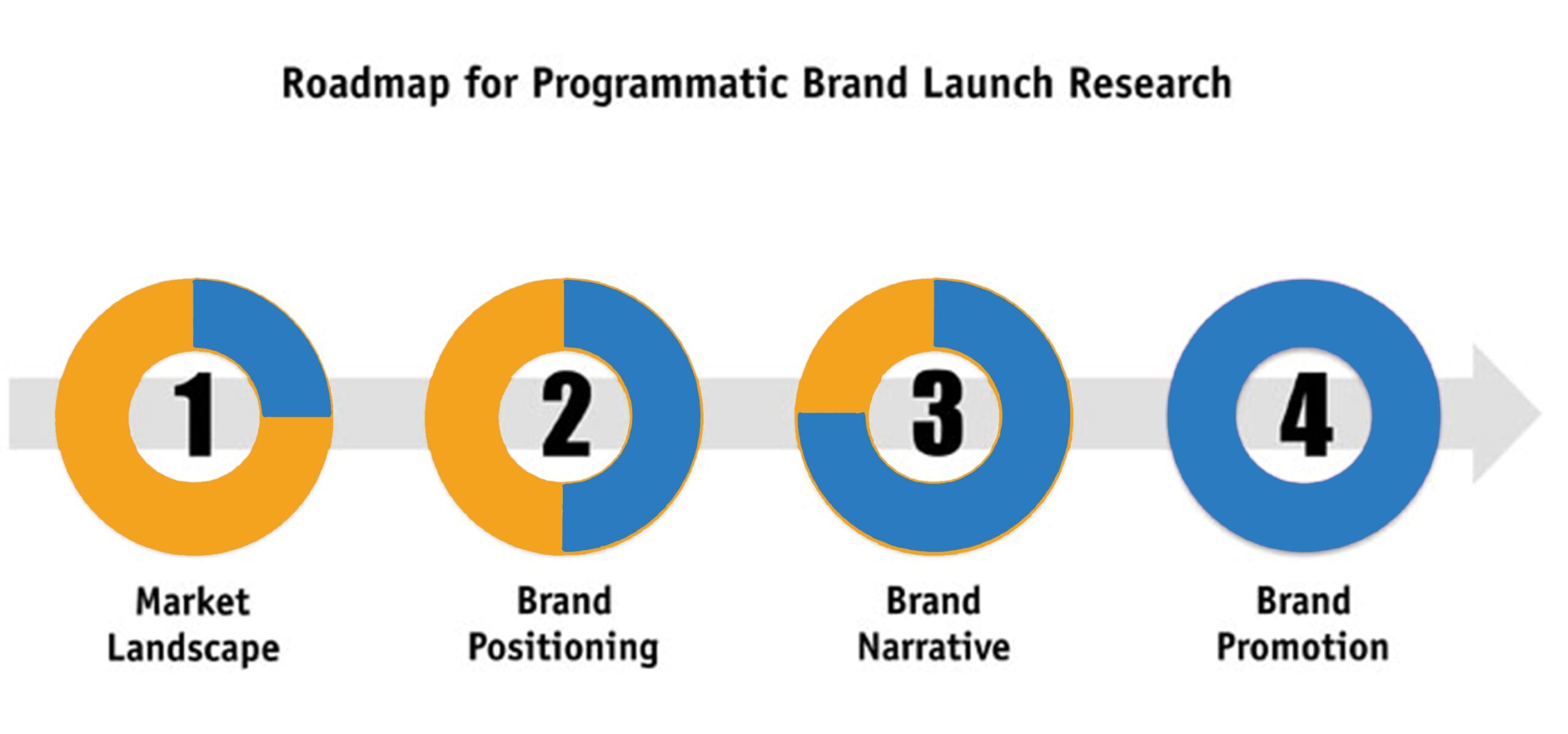
The process of giving a pharmaceutical product a unique identity on the market is called pharmaceutical product positioning. It entails recognising the special qualities and advantages of your product and conveying them to the intended market in a way that sets it apart from rival goods. Your pharmaceutical firm can gain a competitive edge, boost sales, and develop brand loyalty by using effective product positioning. Consider the following SIX actions when positioning your pharmaceutical product: A thorough awareness of the target market and the competitive environment is necessary for effective pharmaceutical product positioning. Pharmaceutical firms can distinguish their goods and increase market potential by creating a clear and attractive positioning plan.

How pharma knowledge and marketing influences prescriptions written by doctors

Knowledge marketing is a crucial method for influencing doctors’ prescription practises in the pharmaceutical business. Pharma marketers employ various knowledge marketing strategies and initiatives with the goal of influencing HCPs’ prescribing behaviour. These consist of: Pharmaceutical marketers typically don’t spend enough on patient education. However, HCPs increasingly favour pharmaceutical firms that place a greater emphasis on patient interaction and education. In various ways, patient education may be extremely influential in how doctors prescribe: By enhancing patient empowerment, lowering healthcare costs, and boosting adherence, patient education can significantly affect how doctors prescribe. Doctors may be more inclined to recommend medications and therapies that may effectively improve patient outcomes if patients are given educational information and tools.

Must know facts about Video marketing in Healthcare

Different types of video media are used in video marketing to advertise and market the goods and services offered by healthcare companies. An astounding 86% of healthcare companies use video marketing as a marketing strategy. Video has been shown to Although video marketing has been shown to be beneficial for all business kinds, it is especially well suited to the promotion of healthcare products since it can make complex information accessible to a large audience. Video production can be challenging; outsourcing it to a medical communications agency will simplify the process, allay any worries, and guarantee that your film is appealing, marketable, and matches your business’s goals.

Factors that distinguish the pharmaceutical from the FMCG industry?

The pharmaceutical sector is known for having a robust R&D and a sizable sales staff. However, over time, pharmaceutical businesses have encountered a number of difficulties, including high R&D costs, product patent expirations that coincide with price erosion, and the consolidation of pharmaceutical firms. Figure 1: The following illustrates a schematic view of the distinctions between the FMCG and pharmaceutical industries. There are stringent rules for the pharmaceutical industry. Because of this, the introduction of new products to the market moves slowly. Patent protection for pharmaceutical items is not very long. Contrary to FMCG products, pharmaceutical brands cannot be transferred after a patent expires. Brands of non-prescription pharmaceuticals, like Fast-Moving Consumer Goods (FMCG) items, can last for a very long time while those of prescription drugs only last for about ten years (Figure 1). Given modern science and technology, established trademarks become less significant when a new chemical is discovered that is more effective for a particular treatment. These “super brands” can endure the expiration of their patents and develop “a link with the consumer at a level exceeding basic functional performance.” On the other hand, FMCG businesses incorporate brand creation early in the process of developing a product. The distinction is that pharmaceutical businesses prioritise product development over brand building. The latter have not been as effective in harnessing brand power. Nevertheless, certain OTC medications have substantial advertising efforts in some markets, such as the United States. Because of this, branding in the pharmaceutical sector is ten years behind that of the FMCG sector. Advertising is a crucial component of brand growth, which takes time. In other markets, new threads within this paradigm, such as direct to consumer advertising (DTCA) have evolved . In a lot of nations, it is illegal to advertise prescription medications. The only two nations that permit DTCA for prescription pharmaceuticals when the consumer has little to no drug selection options are the United States and New Zealand. Additionally, advertisements that feature both the product and an associated indication are prohibited in Canada. Prescription medicine marketing initiatives are based on functional qualities of products, such as clinical and product-related features, in nations such as India where DTCA is not permitted. Promotion includes a variety of marketing initiatives that are primarily targeted at healthcare professionals, including personal sales, drug detailing, journal and software advertising, sponsorship of educational events, educational materials, promotional goods, public relations initiatives, and disease awareness campaigns (DACs). On the other hand, because OTC or non-prescription medications are available directly to consumers, there are no regulatory constraints on their use. Advertising of OTC goods to the general public is permitted. In many ways, OTC branding is similar to FMCG branding in that it aims to gain market share by achieving brand recognition, preference, and loyalty. Brands play a huge impact in OTC drug purchases since end users play a large role in this decision. Marketing strategies used in promotion include DTCA (including TV, radio, print commercials, etc.), details, sponsorship, events, direct mail, promotional items, public relations efforts, social media, and viral marketing. Promotion is aimed at both consumers/patients and healthcare professionals. The audience’s demands should be the first priority for OTC marketers because brand association and brand image are derived from consumer needs. There are three fundamental brand name strategies used by the FMCG industry. The terms “descriptive brand,” “new brand,” and “company brand” are used here. Pharmaceutical brand name tactics, on the other hand, use various emphasis points. These include the official name of the company (Novarapid-Novo Nordisk), the therapy (Procardia), the indication (Glucophage), the class (Mevacor/Zocor), the scientific name of the active ingredient (Indocin for Indomethacin), and a new brand name (Zantac, Prozac). Except for the well-known corporate and new brands, generic drugs can easily undermine a pharmaceutical brand’s positioning, image, or name recognition. Brand management must be careful since there are times when corporate and product brand names may be closely related and may have an impact on one another. For instance, Vioxx, a nonsteroidal anti-inflammatory medicine, was pulled from the market, which had a detrimental impact on the corporate brand of Merck.


5 DIGITAL MARKETING TIPS FOR THE PHARMA INDUSTRY

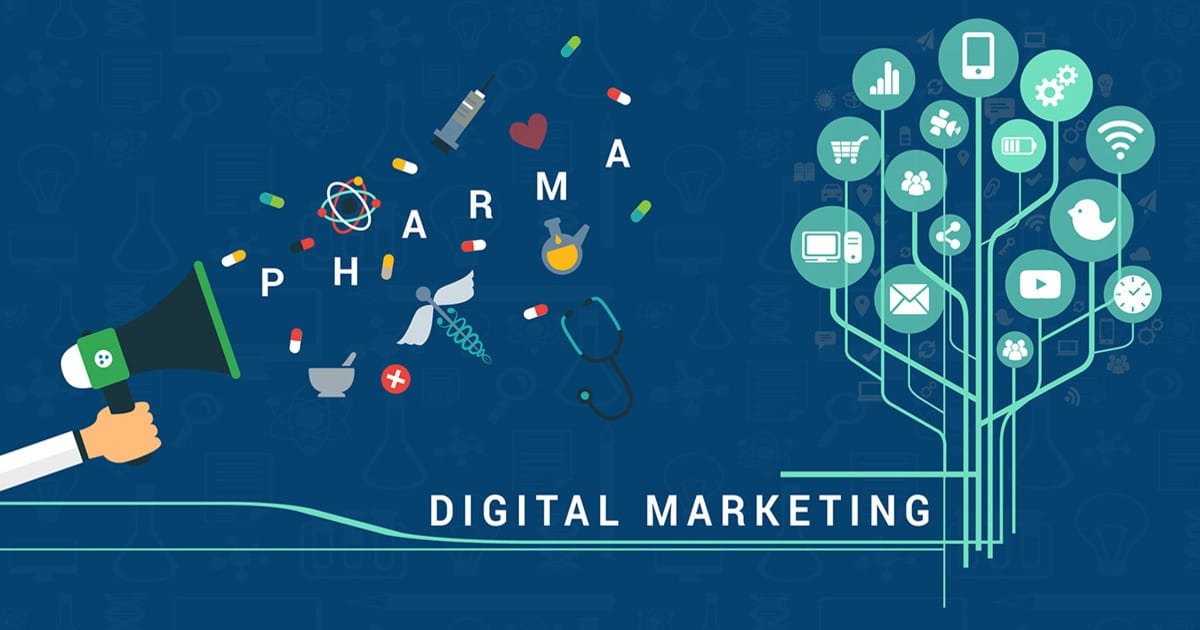
1. COLLECT INFORMATION FROM MULTIPLE SOURCES Knowing your target market should be the first step in any marketing strategy. This is now achievable with unmatched accuracy thanks to technological advancements. To enhance digital marketing, pharmaceutical businesses should also make advantage of user data. People use search engines to look for conditions and products, adding keywords that you may look up and analyse. Users of social media discuss their preferences, demographic information, and interests. Remember to use geolocation to find out where your target audience is located. Another excellent source of information regarding the health of clients is the Internet of Things. Smart watches, cell phones, and other wearables are networked so that they may communicate with one another over Wi-Fi. 2. PERSONALIZE MESSAGING TO PROVIDE TAILORED CONTENT Knowing people’s needs and pain points makes it easier to provide the most appropriate solution. Personalization is an effective solution in highly competitive fields. According to research, 71% of customers dislike having an impersonal shopping experience Precision medicine, also known as personalized medicine, is an example. This approach is based on respecting people’s differences and providing them with appropriate treatment. Maintain one-on-one contact with clients. Another way to improve your pharmaceutical digital marketing is to treat people as individuals. 3. ENGAGE IN AUGMENTED AND VIRTUAL REALITY Augmented reality (AR) and virtual reality (VR) provide an immersive experience by removing the constraints of the real world. That’s why you might have heard of Extended Reality (XR), a term for AR and VR. They can be used in pharmaceutical product sales, marketing, and advertising. VR and AR can help you communicate effectively with healthcare practitioners in order to visualize the benefits of your products. Clients can interact with 3D, animated, and interactive presentations. Because of the greater understanding of how products work, these solutions may also persuade patients to purchase goods. 4. INTRODUCE CHAT-BOTS TO BE AVAILABLE 24/7 These are virtual assistants who respond to inquiries from potential clients and offer advantages to businesses like: AI powers today’s Chatbot. Machine learning (ML) is also used to develop automatically over time. It means humans can focus on more complex tasks without having to intervene to update them. 5. USE BLOCKCHAIN TO PROTECT DATA Block chain is a game-changing technology associated with Bit coin and other cryptocurrencies. However, it offers more opportunities than just transactions. It’s a series of linked blocks that log data. When the number of operations increases, the block sequence continues. Block chain has the potential to facilitate the sharing of authenticated information across organisations, giving manufacturers, pharmacies, and patient’s visibility into the supply chain, cutting down on paperwork during contract creation, sharing only the information required to carry out operations while concealing internal systems or confidential details.

FIVE VITAL PHARMA MARKETING TRENDS TO WATCH IN 2023

AI and marketing automation Marketing automation tracks user behavior and content consumption across a variety of channels, including clicks on social media and page views. This moves the emphasis to engagement and gives pharma businesses the opportunity to personalize and template the information to maintain client interest. Additionally, it gives the company the ability to use automated chats and email campaigns to provide a value-driven client experience that improves managerial effectiveness. Online and Tele-health Patient Care You can now contact more patients. The tele-health platform also doesn’t need to incur significant up-front overhead expenses anymore. It is reasonably priced and cost-effective. A customer merely needs a mobile device and an internet connection. By convincing them that you care about them most, it improves patient involvement with remote monitoring and expands your customer base. Online video participation Online video engagement is one of the marketing strategies attracting attention in 2023. And this is one of the most effective strategies for them to grow their business and advertise to customers. Patients and clients need to believe what you are offering before committing to your services. And video involvement is useful for gaining their trust. You can demonstrate your service, skills, outcomes, and practice technique more effectively and naturally by using medical video footage. Additionally, it enables you to tailor your material to the demands of your audience. Google Snippets Featured One of the ground-breaking marketing strategies that helps you rank higher in organic traffic is the use of Google features snippets. You don’t have to be the best in your field to accomplish this, either. You only need to develop high-quality material with the right formatting for search engines. Additionally, while it is a significant problem, you may overcome it by making your material “snappable” so that Google can detect your link and give you a higher ranking. Increasing RWE usage The covid-19 pandemic has intensified the pharmaceutical industry’s requirement for Real-World Evidence (RWE). Pharma businesses are having a difficult time prioritizing the best action strategy due to poor data and analytics. But applying RWE in the pharmaceutical industry would lead to more rapid and affordable medication development. RWE gives the company the knowledge it needs to comprehend biological pathways and unmet needs. It shortens and saves time on the clinical development cycle in this way. RWE additionally develops a patient’s position on a map that shows where they are in relation to a certain ailment or treatment benefit. This makes it possible for medical professionals to organize their research in terms of developing new drugs.

What makes a medical representative most effective in their detailing to doctors?

In the healthcare sector, sales agents are required to run their “territories” like their own businesses. Top-performing medical sales representatives have an entrepreneurial mind-set for this precise reason. Knowing which clients generate the most business and what their “purchasing” style is will help you match your selling approach to it. It will also help you have a budget for investments and manage your daily and weekly call schedule either by yourself or with the help of a team. Being seen as a valuable consultant by physicians is one of the main objectives of a medical sales representative. Reps can develop into helpful resources for their doctors as being a resource, or a trusted advisor enables them to expand their reach and increase the sales of their goods. During the bulk of their calls, reps still need to explain new alternatives and provide more knowledge, but by identifying the outcomes that will most appeal to their consumers, they can set themselves apart by adding a great deal of value to the table. Doctors regularly need to reschedule appointments because of medical emergencies. They normally have a highly full-day schedule, and no direct access (usually accessible through an office manager or receptionist). Face-to-face interactions are therefore uncommon and valuable when they do occur. 8 possible reasons why doctors hesitate to recommend your particular product? 12 physician’s anticipated expectations from medical representatives? Center on features and success A medical and sales representative should constantly attempt to translate any product features into benefits that will appeal to or be appealing to his consumer, whether he is a pharmacist or a patient. Example: Last thoughts In the world of sales, there is an archaic abbreviation called “WIIFM”. Always think, what’s in it for the doctor? What are the concerns that are crucial to the doctor and the doctor’s practice? Because a normal doctor’s day is divided into brief, precise segments, simple, rapid snapshots of important information are ideal for the time-constrained doctor.