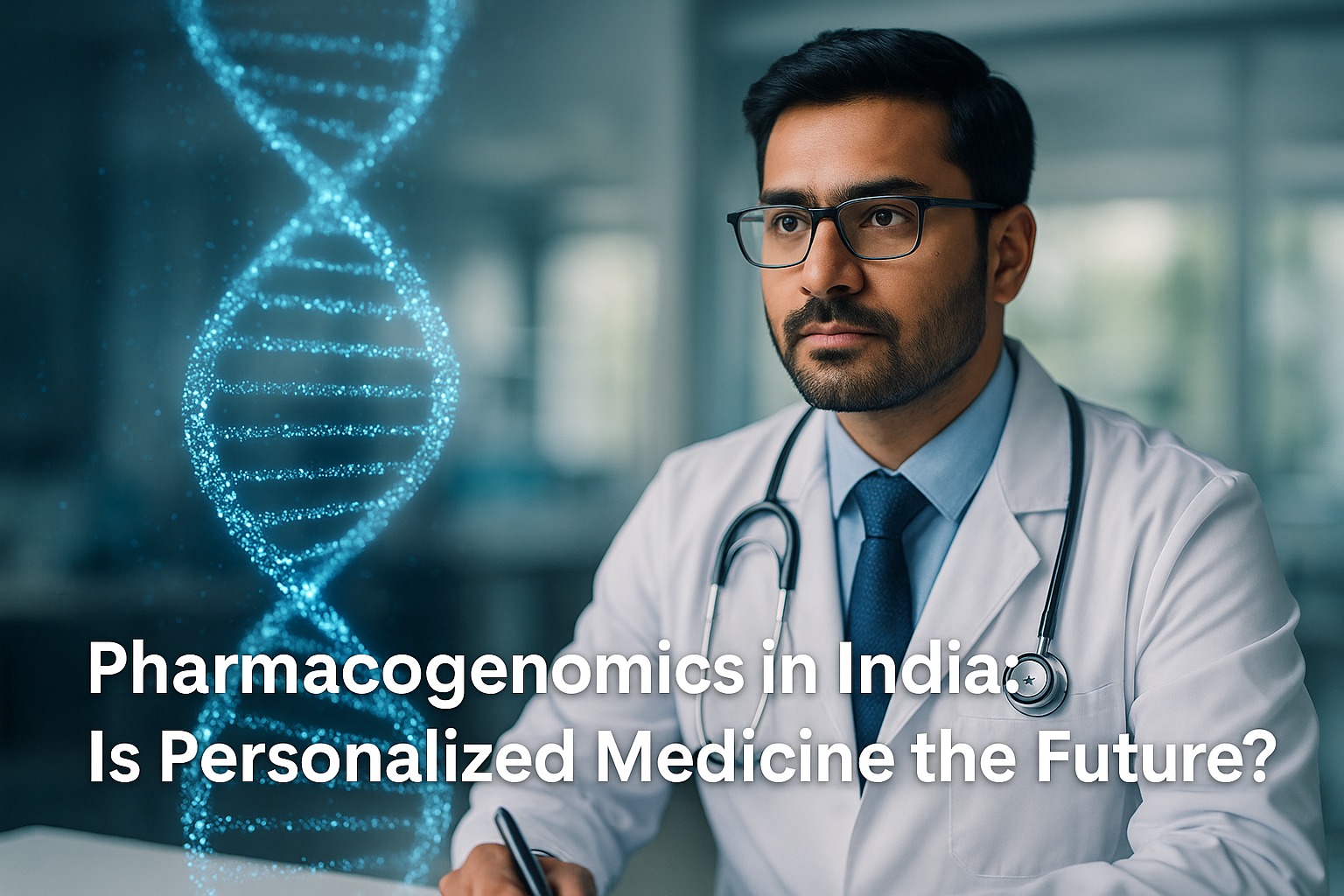
Pharmacogenomics in India: Is Personalized Medicine the Future?

The Promise of Precision Pharmacogenomics, the study of how genetic differences affect drug responses, is reshaping modern medicine. Tailoring treatments to an individual’s genetic makeup it offers more effective, safer therapies. In India, home to vast genetic diversity, pharmacogenomics could revolutionize healthcare. But challenges in access, awareness, and infrastructure remain. Genetic Diversity: Strength and Challenge India’s population, spanning over 4,000 ethnic groups, shows wide genetic variability. This affects how individuals respond to drugs. For example, up to 35% of Indians carry a mutation in the CYP2C19 gene, reducing the effectiveness of clopidogrel, a common blood thinner used after stent placement. In 2019, AIIMS researchers found this mutation prevalent among North Indian cardiac patients, prompting discussion around pre-treatment genetic testing. Similarly, NAT2 gene variations impact the tuberculosis drug isoniazid. A 2021 study from the National Institute for Research in Tuberculosis (NIRT) found that “slow acetylators” were at significantly higher risk of liver toxicity during TB treatment. Current Progress in India India is making gradual strides. The GenomeIndia Project, led by the Department of Biotechnology, is mapping 10,000 Indian genomes to support drug discovery and precision medicine. Startups like MedGenome offer cancer patients testing for genes like BRCA1/2, guiding treatment with targeted therapies like PARP inhibitors. A case at Tata Memorial Hospital highlighted how a woman with triple-negative breast cancer avoided chemotherapy toxicity due to timely BRCA testing. Hospitals such as Apollo and Max Healthcare now offer pharmacogenomic panels for psychiatric, cardiovascular, and cancer medications. Barriers to Adoption Key hurdles include: Conclusion: A Future Worth Building With continued investment, policy reform, and education, pharmacogenomics can make Indian healthcare not only more precise but truly personalized. Real-world success stories show it’s no longer a futuristic concept, it’s a future already unfolding

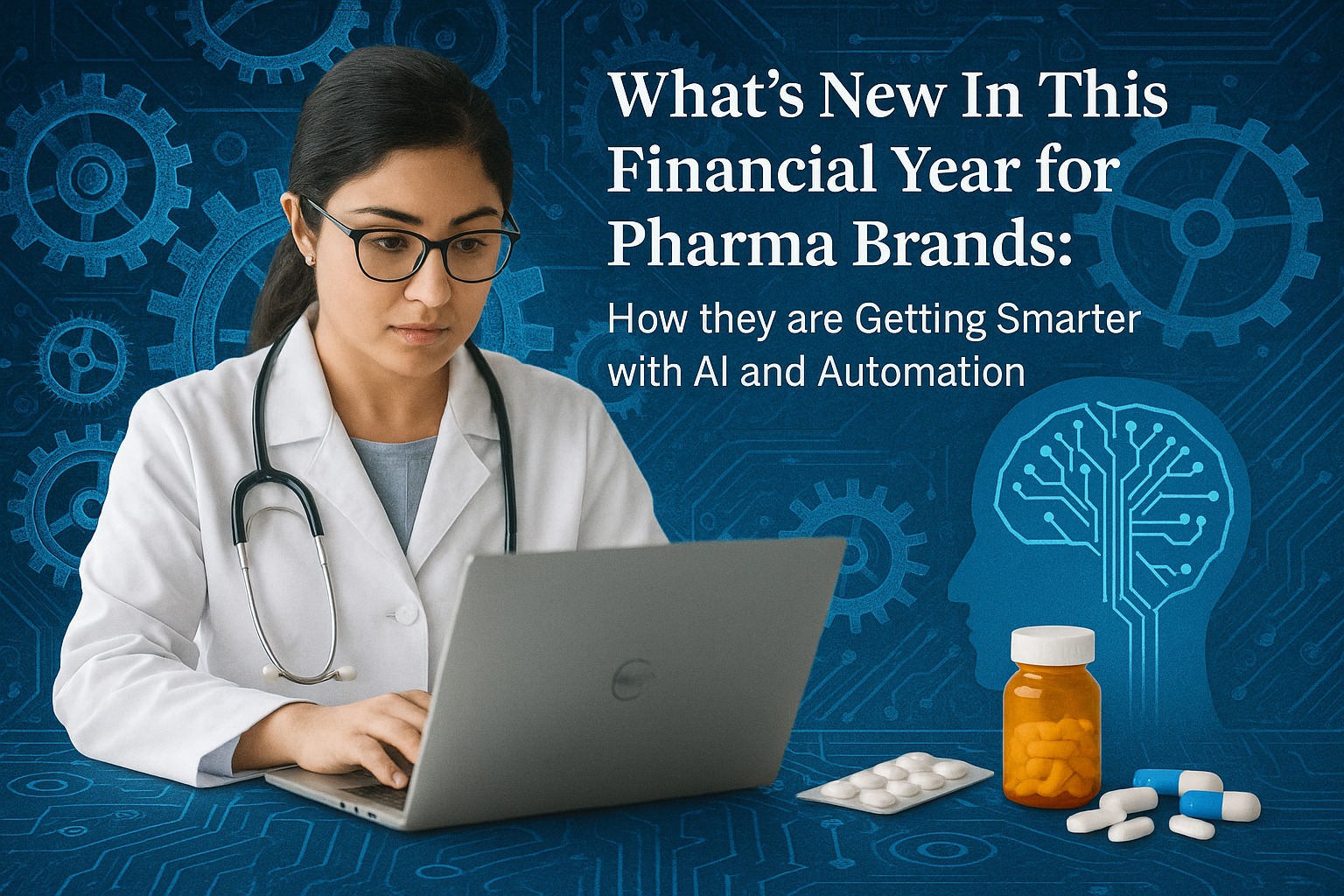
What’s New In This Financial Year for Pharma Brands: How They Are Getting Smarter with AI and Automation

The pharma industry is undergoing an exciting transformation. This year, pharma brands aren’t just talking about AI and automation as futuristic buzzwords; they’re using these tools to create real, meaningful change for patients and healthcare providers. Helping Patients Before They Even Know They Need Help AI-powered predictive analytics are enabling brands to understand patient needs on a deeper level. By analyzing data from clinical trials and everyday patient experiences, companies can spot patterns and predict health issues before they arise. This means patients can receive personalized care sooner, leading to better outcomes and more peace of mind. Connecting in More Personal Ways On the front lines, AI is helping brands communicate with patients in more personal, supportive ways. Virtual assistants and intelligent chatbots can now answer questions, provide education, and guide patients through their treatment journey — all in real time and with a human touch. Making Medicine More Reliable and Accessible Automation is also working behind the scenes to ensure medicines get to patients faster and more safely. Smart robots and automated systems are reducing errors and keeping production running smoothly, so patients can trust that their treatments will be there when they need them most. Technology That Cares What’s most inspiring is that all these advancements are centred around one simple idea: caring for people. By embracing AI and automation, pharma brands are not just becoming more efficient; they’re becoming more compassionate, more attentive, and more human. This year, we’re seeing technology and empathy work hand in hand, promising a future where healthcare truly puts people first. Staying Compliant in a Changing World Pharma brands also face increasingly complex global regulations. AI helps them stay compliant more efficiently. Conclusion: What’s Changing? Dimension Traditional AI-Enabled Discovery 6–10 years 12–24 months Trials Costly, error-prone Smart, predictive, faster Manufacturing Human-reliant Predictive, automated Distribution Delayed, offline Real-time, smart Patient Support Manual follow-ups Personalized digital care ✅ Final Thought AI is not just enhancing reliability; it’s fundamentally democratizing access to healthcare, especially in underserved geographies.

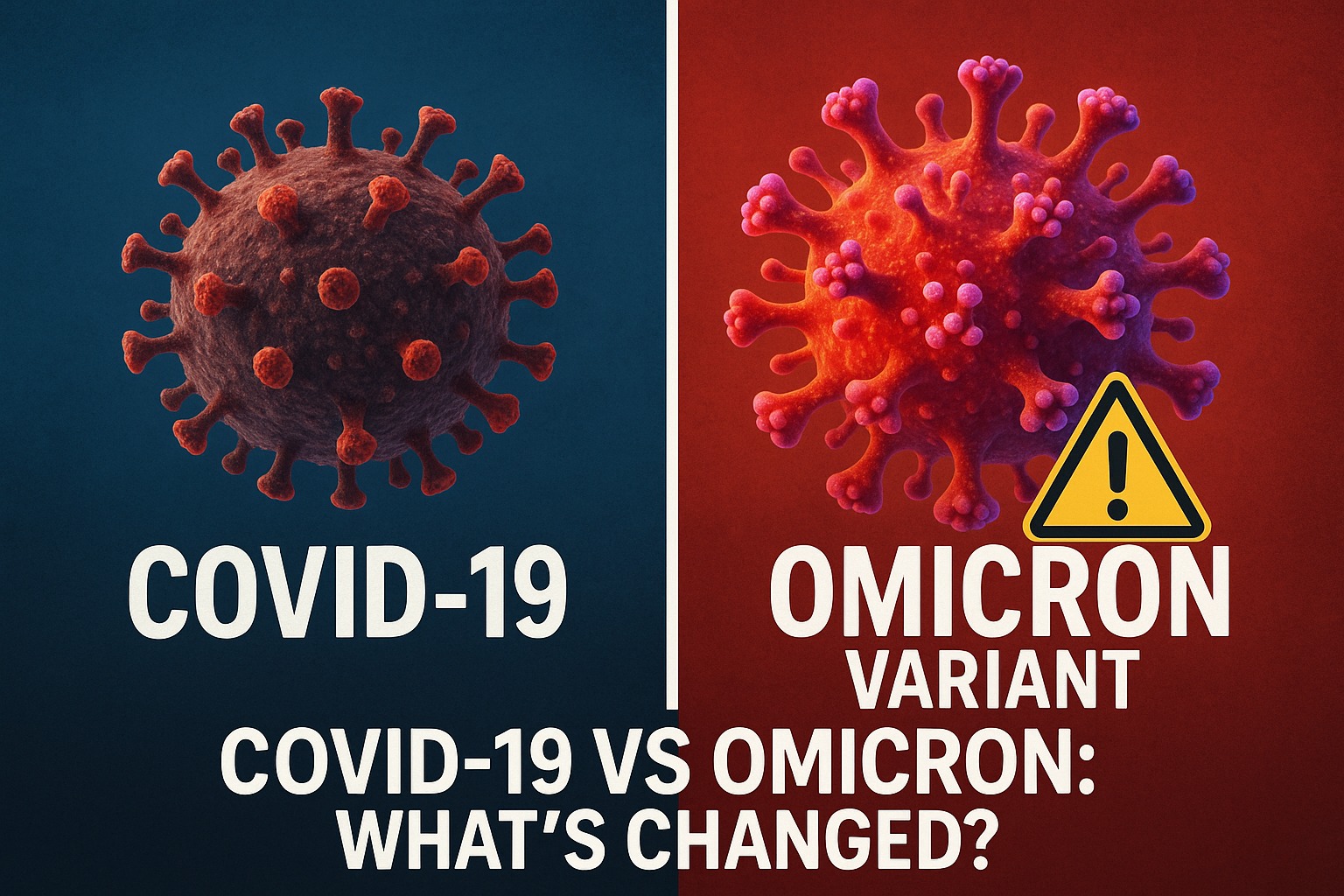
COVID-19 Then vs. Now: What’s Changed with the Latest Variant in 2025?

The Onset: Unravelling a Global Emergency The world came to a halt when COVID-19 first surfaced in late 2019. The lack of immunizations, a lack of knowledge, and high rates of transmission overloaded healthcare services. Emergency medical responses, social distancing, and lockdown became the new norm. Today, the virus has changed. The most recent form, believed to be a subvariant of Omicron, is more infectious but typically causes less severe illness. Unlike the severe respiratory symptoms of early COVID-19, this variant presents typically with symptoms such as a runny nose, sore throat, cough, and fatigue, which are comparable to those of the common cold, especially in vaccinated individuals. The population has formed a protective layer as a result of previous illnesses and widespread inoculation. For the more current variants, booster dosages are available, which continue to reduce the risk of serious illness. Furthermore, the use of antiviral drugs and the development of improved testing methods have significantly enhanced the management of COVID-19. Although overall severity has decreased, vulnerable groups remain at risk, including the elderly, those with compromised immune systems, and those who have not received vaccines. Since the virus is still spreading, many individuals are still concerned about long-term COVID. ​Even if things have mostly returned to normal, it’s important to remember to practice preventive measures. Protecting ourselves and others still mostly involves wearing masks in busy areas, isolating when ill, and maintaining current immunizations.

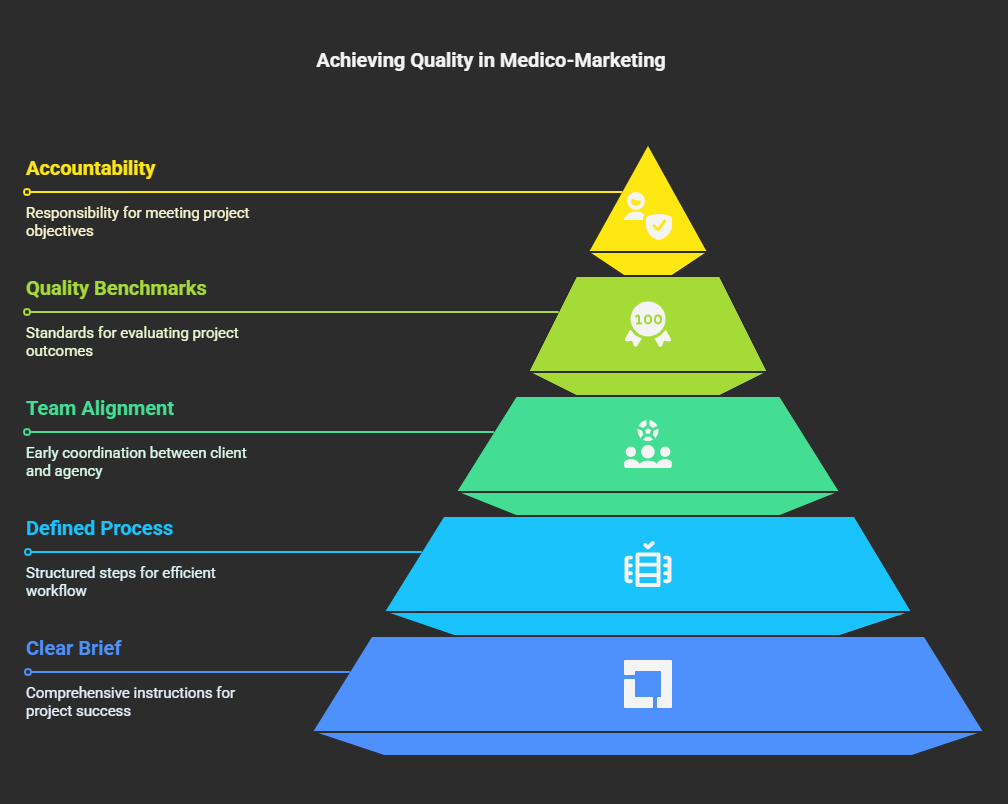
5 Tips That Ensure Your Medical Communication Agency Provides Quality Medico-Marketing Promotions on Time

Tight timelines, legal requirements, and competitive brand positioning are all integral to the job description of a pharmaceutical marketer. Product launches can be derailed and brand reputations harmed by delays in medical content or subpar deliverables. How can you ensure your medical communication agency doesn’t act as a roadblock, but rather as a growth partner? These tried-and-true methods will ensure that you receive timely, high-quality medico-marketing materials that align with your brand goals. 1. Begin with a comprehensive and unambiguous brief.An intense brief produces excellent results. Make use of a uniform briefing template throughout your company. Include: 2. Create a specified procedure.Predictability is guaranteed by structure. A good agency will have a strong internal SOP that addresses: Timeline structure recommendation: 3. Align both teams early.Aligning expectations among the following can help to prevent last-minute chaos. Shared trackers (like Trello, Zoho, and Asana) and weekly calls facilitate deliverable management. These can include: 4. Establish quality standards.Give instances of “good” and “bad” collateral. Without a definition, quality is arbitrary. Ensure the agency is aware of your: 5. Include accountability in the framework.For transparency, make use of programs like ClickUp, Google Sheets, or dashboards tailored to your agency. Establish: Final Thought: From supplier to valuable partner.More than just a supplier, your med comm agency is an extension of your company’s identity. A partnership that grows with your marketing vision may be established with clarity, process, alignment, quality control, and accountability.

Patient-Centred Marketing: Shifting Focus from Products to People

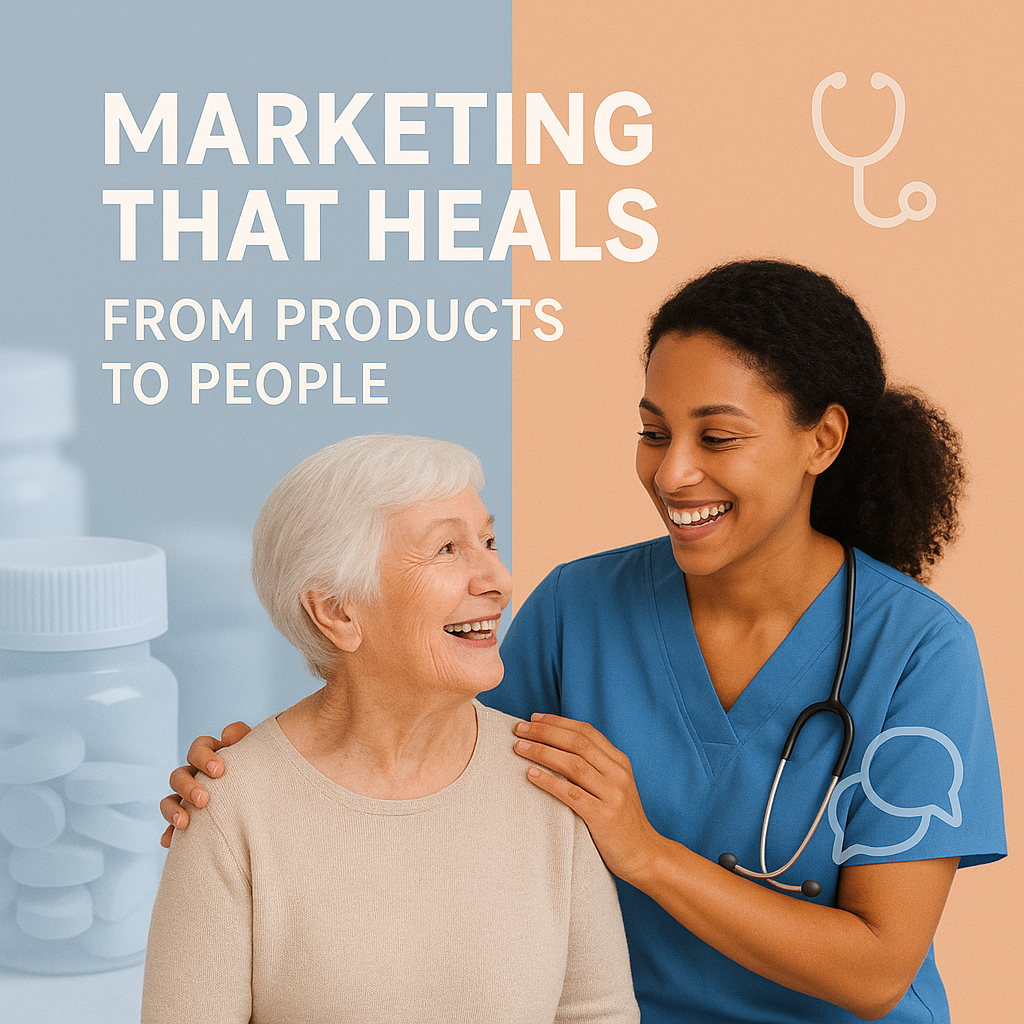
In the evolving world of healthcare, one trend is reshaping how pharmaceutical brands engage the market: the shift from product-centred to patient-centred marketing. Gone are the days when success was defined solely by product efficacy or sales numbers. Today, the true differentiator is how well we understand, empathise with, and support the real people behind every prescription. Why the Shift Matters Pharmaceutical companies have traditionally marketed around molecules and mechanisms. But as patients become more informed, empowered, and engaged in their health decisions, they expect more than clinical data—they expect connection. Patient-centred marketing acknowledges that we’re not just selling a treatment; we’re contributing to someone’s quality of life. From Features to Feelings Instead of asking, “What does our product do?”, ask, “What does the patient need?” This shift changes everything: Humanizing the Journey Patient-centred marketing means linking science to real patient experiences: When we answer these questions, we build trust—a critical currency in healthcare. Business Value Meets Human Value There’s also a practical advantage: patient-centred brands build loyalty, enhance adherence, and gain advocacy. A 2023 Deloitte study found that pharma companies investing in patient experience outperform peers in long-term brand equity and HCP trust. Patients who feel heard and supported are more likely to stay on therapy, engage with educational tools, and recommend the brand to others. Bringing It to Life Here are a few examples of how brands are embracing the shift: Patient-centred marketing isn’t a trend—it’s the smarter, kinder way to build healthcare brands.When we focus on people, not just products, we create real connections—because behind every treatment is a human being

What Will the Future Hold for Pharma Marketing in 2025?

Pharmaceutical marketing is evolving rapidly, driven by technological advancements, shifting doctor preferences, and heightened regulatory scrutiny. As we step into 2025, here are the key trends shaping the future of pharmaceutical marketing. AI-Driven Personalization in Doctor Engagement* Artificial Intelligence (AI) is transforming the way pharmaceutical brands interact with healthcare professionals (HCPs). AI-powered tools analyse vast amounts of data to deliver personalised content, ensuring relevant and timely engagement. Rise of Omnichannel Marketing Strategies* Gone are the days when the pharmaceutical industry relied solely on sales representatives and conferences. By 2025, an integrated omnichannel approach will be the dominant strategy, ensuring consistent messaging across multiple touchpoints. Growth of AI-Generated & Interactive Content* HCPs prefer scientifically accurate, concise, and interactive content over traditional print materials, such as brochures. Ethical Use of Big Data for Precision Marketing* Pharma marketers now have access to massive datasets from electronic health records (EHRs), social media, and prescribing trends. However, ethical data usage is crucial to maintain compliance. Increased Focus on Patient-Centric Marketing* While HCP engagement remains a priority, patient-centric strategies are gaining momentum. The future of pharma marketing in 2025 revolves around AI-driven personalization, omnichannel strategies, interactive content, ethical data use, and patient-centric approaches. Companies that adapt to these trends will see better engagement, compliance, and overall marketing success. At eMediWrite, we help pharma brands navigate these evolving trends with tailored marketing solutions that drive real impact.  References*[1] McKinsey & Company. (2023). “AI in Pharma Marketing: The Next Frontier.” [2] Journal of Medical Marketing. (2023). “Omnichannel Approaches in Pharma: A New Paradigm.” [3] Deloitte Insights. (2024). “The Power of Interactive Content in Healthcare Marketing.” [4] IQVIA. (2024). Data-Driven Marketing Strategies for Pharmaceutical Brands. [5] PharmaVoice. (2023). “The Role of Patient Engagement in Prescriber Decisions.”

Stuck in Year-End Chaos? Smart Moves to Stay Ahead!

As the financial year comes to a close, product managers find themselves juggling multiple priorities—finalising planned activities, ensuring budgets are utilised wisely, and setting the stage for the next quarter. The pressure is real, but you can navigate this phase smoothly with the right approach.Here are some points that you can consider: 1. Prioritize Pending Plans Review your planned activities and categorize them into “Must-Do” and “Can-Defer.” Focus on high-impact initiatives that align with your brand’s growth strategy. 2. Smart Budget Utilization Instead of rushing to exhaust budgets, channel resources into impactful inputs—doctor engagement activities, scientific content, or digital assets that add long-term value. Having the right partners can make execution seamless. 3. Next Month’s Strategy Plan your April inputs now. Identify gaps in the market, gather field insights, and align with medical reps to ensure a strong start to the next financial year. If time is a constraint, collaborating with a medical communications agency can help execute your plans efficiently. 4. Data-Driven Planning Analyze this year’s performance—what worked, what didn’t? Use these insights to craft a strategic roadmap for the upcoming months. External content development and marketing strategy expertise can add value to this process. 5. Align with Teams Effective execution needs cross-functional alignment. Coordinate with marketing, sales, and medical teams to ensure smooth transitions and clear objectives. With the right resources and expert support, a structured approach can make all the difference. With structured planning and the right collaborations, product managers can confidently close the year and enter the next with a clear vision. *eMediWrite is a medical communications company which helps pharma in their marketing activities from ideation to execution.

DERMACON’2025: eMediWrite’s Journey Through Innovation in Dermatology

The vibrant city of Jaipur witnessed an extraordinary convergence of dermatology experts, innovators, and industry leaders at DERMACON’2025. As one of India’s most prestigious dermatology conferences, this event provided a unique platform to explore cutting-edge advancements, new treatment modalities, and emerging trends shaping the future of skin health. At eMediWrite, we specialise in medical communications, bridging the gap between scientific expertise and engaging content. Our team was thrilled to be part of DERMACON’2025, interacting with dermatologists, researchers, and pharmaceutical professionals to understand their evolving needs in dermatology. A Glimpse into DERMACON 2025 🌟 Scientific Excellence on Display The conference featured ground-breaking research presentations, live demonstrations, and expert panel discussions on the latest advancements in dermatology, aesthetics, and skin therapy. The event showcased game-changing innovations in skin health, from AI-powered diagnostic tools to next-gen biologics for psoriasis. 🔬 Emerging Trends in Dermatology Some of the hottest topics at DERMACON’2025 included: ✅ Personalized Skincare & Precision Medicine – Tailoring treatments based on genetic profiles. ✅ Regenerative Dermatology – Stem cell therapy and exosome-based skin rejuvenation. ✅ Cosmeceuticals & Aesthetic Dermatology – The rise of evidence-based skincare. ✅ Dermato-Oncology – Advances in the early detection and treatment of skin cancers. 👩‍⚕️ Engaging with Experts Our team had the privilege of interacting with renowned dermatologists and pharma leaders to discuss the evolving role of medical content in dermatology marketing. The insights gained will shape our approach to creating impactful and scientifically accurate content for dermatology brands. Looking Ahead: Beyond DERMACON 2025 The insights from DERMACON‘2025 highlight the growing need for clear, engaging, and strategic medical communication in dermatology. As innovations in skincare and treatment continue to advance, dermatology brands require compelling, science-backed narratives to connect with their audience effectively.Whether it’s medical content, brand storytelling, or digital strategy, eMediWrite is committed to helping dermatology brands stand out with impactful communication.

Turning ‘No’ Into ‘Yes’: How Product Managers Can Pitch Ideas That Win

One of the most persistent challenges for product managers is securing top management’s approval for their ideas. Despite the time and effort spent crafting innovative solutions, ideas often face rejection due to misaligned priorities, unclear value propositions, or concerns about feasibility and cost. This can be disheartening and slow progress, leaving even the most promising concepts unrealised. Understanding the Challenges: Winning Strategies: ConclusionGetting ideas approved isn’t just about having great concepts; it’s about presenting them strategically. By aligning with company priorities, supporting pitches with data, and addressing concerns proactively, product managers can turn a “no” into a “yes,” ensuring their ideas drive meaningful change and success

The Road to Building a Leading Pharma Brand: A Product Manager\’s Guide

Becoming an outstanding product manager in the pharmaceutical industry and creating a top-tier brand demands a blend of strategic insight, industry expertise, and flawless execution. Here’s a comprehensive guide to help you excel and establish a number-one product in the market. 1. Deeply Understand Your Market and Audience To create a leading product, you need to understand the therapeutic area thoroughly. Stay updated on the latest research, clinical trials, and market trends that affect your product’s development. Equally important is understanding your target audience—patients, healthcare professionals, regulators, and payers. Recognizing their needs and behaviours is critical for crafting a tailored product and marketing strategy. 2. Conduct Robust Market Research Market research is your foundation. Start with competitor analysis to understand the gaps and areas for differentiation. Investigate unmet patient needs by gathering insights directly from patients and healthcare providers through surveys and focus groups. Additionally, staying informed about the regulatory landscape in your target markets will help ensure compliance and smooth market entry. 3. Develop a Compelling Value Proposition Your product’s unique selling proposition (USP) should be clear and compelling. It could be superior efficacy, a better safety profile, or more affordable pricing. Define what makes your product stand out in the market and create a brand promise that aligns with both the scientific benefits and emotional value your product provides to patients and healthcare providers. 4. Cross-Functional Collaboration Effective collaboration across departments is essential. Work closely with R&D to ensure that your product addresses unmet needs and is scientifically sound. Marketing, sales, and clinical teams should be aligned to maintain consistent messaging and create a strong, unified brand presence in the field. 5. Create an Effective Launch Strategy A successful launch is a phased process. First, ensure your product’s market entry strategy is carefully planned, taking into account the competitive landscape, pricing, distribution, and regulatory approvals. Building strong clinical evidence and cultivating relationships with key opinion leaders (KOLs) will help position your product as an industry leader from the start. 6. Focus on Innovation and Continuous Improvement Innovation doesn’t end with the product launch. Focus on patient-centric innovations such as support programs, adherence tools, and digital solutions that enhance the overall patient experience. Always plan for product lifecycle management—explore line extensions, new indications, and post-launch strategies to maintain the product’s relevance. 7. Embrace Digital and Data-Driven Marketing In today’s digital age, leveraging digital marketing is key. Invest in strategies that allow you to engage healthcare professionals and patients directly. Use data analytics to optimize your marketing spend and track performance. Digital tools like apps and patient support programs can also help improve adherence, creating stronger brand loyalty. 8. Build and Protect Your Brand Consistency is crucial in building a trustworthy brand. Ensure that all your communications, from marketing materials to customer interactions, reflect a unified brand identity. Post-market surveillance allows you to monitor product feedback, address issues, and refine your approach as needed. 9. Stay Agile and Resilient The pharmaceutical industry is dynamic, with frequent changes in regulations, market trends, and new breakthroughs. Stay adaptable, ready to pivot when necessary. Have a crisis management plan in place for unforeseen events such as negative clinical results or product recalls. 10. Leadership and Influence Strong leadership is crucial in steering cross-functional teams toward common goals. Develop your ability to inspire and align teams with a shared vision. Networking with industry influencers and thought leaders can open doors for new collaborations, enhancing the credibility and reach of your product. By focusing on these principles, you can build a standout brand that resonates with both healthcare professionals and patients, and ultimately achieve your goal of creating a number-one brand in the pharmaceutical space. If you’re looking for ways to enhance your product’s impact and drive stronger results, exploring effective communication strategies can make all the difference.